Breathlessness, fainting, ankle swelling, chest discomfort, or a declining ability to exercise can have several causes, and symptoms alone cannot show whether a valve is narrowed or leaking. You will learn how specialists confirm valve disease, decide between monitoring and intervention, compare repair with replacement or transcatheter treatment, and judge whether a local cardiac service can provide the follow-up you need.
Key takeaways
- Seek emergency help for sudden breathlessness, fainting, chest pain, or blue lips.
- Echocardiography measures valve narrowing, leakage, chamber size, and heart function.
- Monitoring fits stable disease; worsening symptoms or heart strain can prompt intervention.
- Compare repair, replacement, TAVI, recovery, durability, and follow-up before choosing treatment.
Which symptoms and valve problems deserve a cardiac assessment?
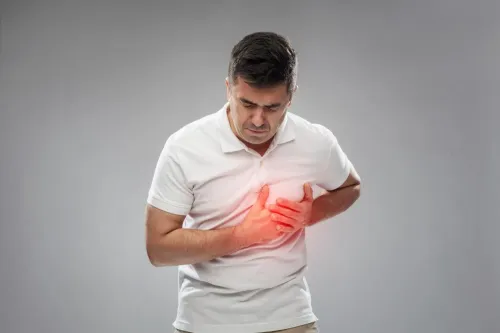
Breathlessness, chest pain, unusual fatigue, ankle swelling, dizziness, fainting, palpitations, or reduced exercise tolerance deserve cardiac assessment, especially when they worsen with exertion. Sudden severe breathlessness, fainting, chest pain, confusion, blue or grey lips, or rapidly increasing swelling requires emergency services, not a routine appointment.
| Valve problem | What happens | Common examples |
|---|---|---|
| Stenosis | The valve does not open fully, restricting blood flow | Aortic or mitral stenosis |
| Regurgitation or insufficiency | The valve leaks, allowing blood to flow backward | Mitral, aortic, tricuspid, or pulmonary regurgitation |
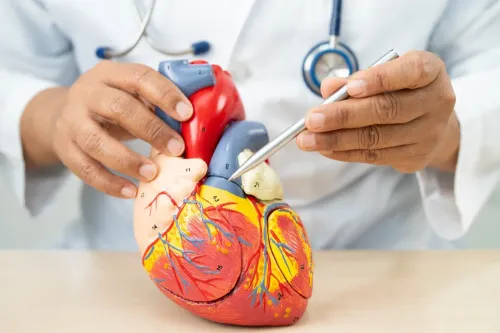
The four valves are the aortic, mitral, tricuspid, and pulmonary valves. Causes include congenital abnormalities, a bicuspid aortic valve, rheumatic heart disease, age-related calcification, infection, and previous heart damage such as a heart attack.
Do not judge severity by symptoms alone. People often reduce walking, climbing stairs, or other activity gradually, allowing severe disease to remain hidden. A murmur alone also does not prove clinically important valve disease; assessment combines symptoms, examination, and echocardiography.
A cardiologist for valve disease Belapur or a valve disease doctor in Navi Mumbai can determine whether testing and serial follow-up are needed.
How do specialists confirm the valve problem and its severity?
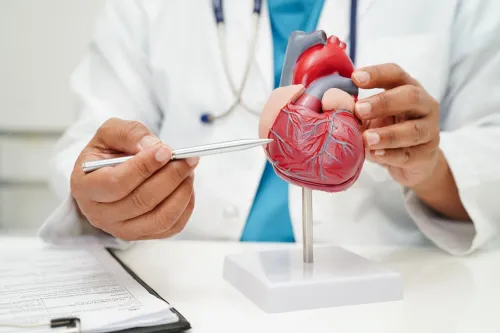
A specialist confirms the valve lesion and its severity before discussing valve disease treatment in Navi Mumbai or elsewhere. Symptoms alone cannot show whether the problem is stenosis, regurgitation, or another cause of breathlessness.
1. The clinician reviews your symptoms, activity level, previous heart damage, infections, pregnancy plans, medicines, and conditions such as high blood pressure or anaemia.
2. A physical examination checks blood pressure, pulse, swelling, breathing, neck veins, and signs of heart failure.
3. Listening with a stethoscope may detect a murmur, but a murmur does not prove clinically important valve disease. Conversely, severe disease can cause few symptoms when you gradually reduce activity.
4. An electrocardiogram records rhythm and electrical strain. A chest X-ray is added when the clinician needs information about heart enlargement, lung congestion, or another lung-related explanation.
5. A transthoracic echocardiogram is usually the first-line test. Ultrasound shows how widely each valve opens, whether blood leaks backwards, chamber size, ventricular pumping function, and estimated pulmonary pressure.
6. Transesophageal echocardiography places the ultrasound probe in the oesophagus. It is used when transthoracic images are inadequate or detailed anatomy is needed, including before some valve procedures.
7. Exercise testing or a supervised exercise assessment helps when reported symptoms and resting findings do not match. Cardiac catheterization measures pressures directly and can provide coronary-artery information when those answers are required.
These results establish the lesion and its severity before anyone selects repair, replacement, or a catheter-based procedure. The same sequence supports safe heart valve treatment in Belapur when symptoms, examination findings, and test measurements do not agree.
When is monitoring appropriate, and when is intervention considered?
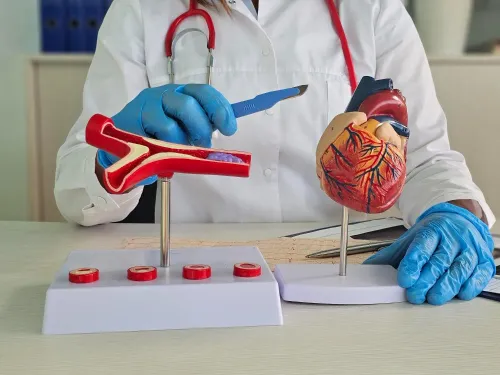
Medicines can ease the workload on the heart, but they cannot fix the valve itself. Stenosis blocks forward flow because the valve will not open fully; regurgitation allows blood to leak backward, so treatment timing and echocardiogram measurements differ.
Blood-pressure, anaemia, arrhythmia, or fluid-overload treatment may improve symptoms without opening a narrowed valve or stopping a leak.
Monitoring is appropriate when disease is not severe, symptoms are absent or stable, and left-ventricular function remains preserved. The cardiologist sets the review interval according to the valve involved and its severity.
- Review breathlessness, chest pain, fatigue, swelling, dizziness, fainting, palpitations, and exercise capacity.
- Repeat echocardiograms to track valve opening or leakage, left-ventricular pumping function, chamber size, and estimated pulmonary pressure.
- Reassess sooner if activity falls, symptoms change, or pregnancy is planned.
Intervention is considered when symptoms limit ordinary activity, left-ventricular function declines, a chamber progressively enlarges, pulmonary hypertension develops, or delaying treatment could make repair harder. The decision also weighs the affected valve, stenosis or regurgitation severity, age, pregnancy plans, surgical risk, frailty, kidney or lung disease, previous operations, and other conditions.
Valve disease treatment in Navi Mumbai should therefore follow confirmed imaging, not symptoms alone. For heart valve treatment in Belapur, ask how serial echocardiograms and specialist referral will guide timing rather than assuming immediate surgery is best. Exact intervention thresholds depend on the valve and the guideline used.
How should you compare repair, replacement, TAVI, and local specialist care?
Choose the procedure from valve anatomy, severity, age, frailty, kidney or lung disease, previous surgery, life expectancy, and your preference—not from symptoms alone. Durable repair is often preferred for suitable degenerative mitral-valve disease because it preserves native function. Extensive calcification or badly damaged anatomy can make replacement safer or more durable.
| Option | What it involves | Main decision points |
|---|---|---|
| Surgical repair | Reshapes or reconstructs your valve | Best when durable repair is technically feasible |
| Surgical replacement | Replaces the valve with a mechanical or tissue prosthesis | Consider when repair is unlikely to last or anatomy is unsuitable |
| TAVI or TAVR | Places an aortic prosthesis through a catheter | CT anatomy, vascular access, durability, pacemaker risk, coronary access, surgical risk, life expectancy, and emergency surgical backup |
| Selected transcatheter repair | Uses a catheter device to reduce leakage, often in the mitral valve | Applies only to suitable anatomy and patients assessed by a specialist heart team |
Ask a valve disease doctor in Navi Mumbai:
- Who reviews my scans: one cardiologist, a surgeon, or a multidisciplinary heart team?
- Can you arrange serial echocardiograms and explain what change would trigger intervention?
- When will you refer me to a valve or heart team for repair, replacement, TAVI, or transcatheter repair?
- Who manages bleeding, rhythm problems, kidney injury, residual leakage, or prosthetic-valve complications?
When assessing heart valve treatment in Belapur, judge Heart Fitt Cardiac Wellness Clinic by how it coordinates imaging, specialist review, procedure referral, and long-term follow-up—not by location alone. A cardiologist for valve disease in Belapur should make those pathways clear.
Related service
Valve Disease Treatment Dr. Charan Reddy at Heart Fitt Cardiac Wellness Clinic, Belapur, specializes in comprehensive valve disease treatment. View service → |
What follow-up, medicines, and emergency plan should valve patients have?
After repair, replacement, or transcatheter treatment, arrange a baseline echocardiogram before or soon after discharge. It gives later scans a reference for prosthetic-valve function, pressure changes, chamber size, and recurrent regurgitation.
- Schedule surveillance echocardiograms at intervals set by valve type, procedure, symptoms, and ventricular function. New breathlessness, fatigue, swelling, palpitations, or reduced exercise tolerance needs earlier review.
- Review every medicine, including anticoagulants, blood-pressure tablets, diuretics, and pain medicines. Mechanical valves require lifelong vitamin-K-antagonist treatment; direct oral anticoagulants are contraindicated. Bioprosthetic and transcatheter valves follow different antithrombotic strategies, and atrial fibrillation can create a separate anticoagulation indication.
- Use rhythm monitoring when palpitations, fainting, an abnormal pulse, atrial fibrillation, or conduction problems suggest it. Ask who will detect prosthetic-valve dysfunction, thrombosis, infection, or recurrent leakage.
- Keep written dental and infection advice. Antibiotics before dental procedures are reserved for selected highest-risk patients, including some people with prosthetic valves or previous infective endocarditis, and specified procedures—not ordinary murmurs.
A cardiologist for valve disease Belapur should provide a clear escalation route, whether you seek heart valve treatment Belapur or elsewhere. Sudden severe breathlessness, fainting, chest pain, confusion, blue or grey lips, rapidly worsening swelling, or acute pulmonary-oedema symptoms require emergency services, not a routine appointment.
Frequently asked questions
Which symptoms and valve problems need a cardiac assessment?
Breathlessness, chest pain, unusual fatigue, ankle swelling, dizziness, fainting, palpitations, and reduced exercise tolerance need assessment, especially when they worsen with exertion. Sudden severe breathlessness, fainting, chest pain, confusion, blue or grey lips, or rapidly increasing swelling requires emergency care.
How do specialists confirm valve disease and its severity?
A specialist combines your symptoms and examination with tests such as an echocardiogram. The assessment examines valve narrowing or leakage, chamber size, pumping function, pressure changes, and disease progression.
When is monitoring appropriate, and when is intervention considered?
Monitoring can suit stable valve disease without significant symptoms, heart strain, or worsening test results. Intervention enters the discussion when symptoms increase, the heart’s function or size changes, pressure rises, or the valve problem becomes severe.
How do repair, replacement, TAVI, and local specialist care differ?
Repair preserves your own valve when the anatomy allows it. Replacement uses a mechanical or tissue valve. TAVI places a replacement valve through a catheter, usually for selected aortic stenosis patients. Compare anatomy, age, surgical risk, durability, medicines, recovery, and long-term follow-up with a valve specialist in Navi Mumbai or Belapur.
Keywords