
Choosing cardiac care starts with separating an emergency from a condition that can be assessed through a scheduled consultation. You will learn which symptoms need 112, what tests and treatments may follow, how to prepare for an appointment, and how to compare cardiac services in Belapur and Navi Mumbai.
Key takeaways
- Call 112 for chest pressure with breathlessness, sweating, nausea, or pain spreading to the jaw or arm.
- Bring your symptom timeline, medicine list, test reports, and family heart-health history.
- Ask how each treatment option improves your condition, what it involves, and which risks apply.
- Compare emergency access, diagnostic testing, specialist experience, follow-up, and cardiac rehabilitation.
Know Which Heart Problems Need Treatment and Which Symptoms Need 112
Chest pressure, squeezing, or pain spreading to the arm, back, neck, jaw, or upper abdomen is an emergency until a clinician rules out a heart attack. Shortness of breath, cold sweating, nausea, or light-headedness can accompany it, and symptoms may be mild in women, older adults, and people with diabetes.
Common conditions treated through heart disease treatment in belapur include:
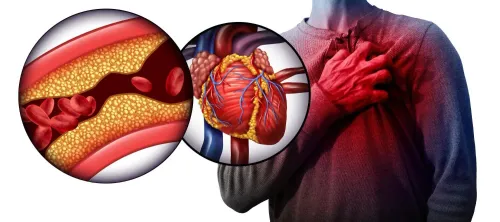
- Coronary artery disease and heart attack
- Heart failure, including breathlessness, ankle swelling, reduced exercise tolerance, or waking breathless at night
- Cardiomyopathy
- Arrhythmias such as atrial fibrillation
- Valve disease
- High blood pressure
| Situation | Action | Why it matters |
|---|---|---|
| Chest pressure, spreading pain, sweating, nausea, or breathlessness | Call 112 immediately | A heart attack needs emergency assessment, not a routine appointment |
| Severe breathlessness, fainting, or new confusion | Call 112 | These signs can indicate dangerous rhythm or pump failure |
| Unresponsive and not breathing normally | Call 112, start CPR, and use an automated external defibrillator if available | Immediate resuscitation can be lifesaving |
| Stable palpitations or gradually worsening ankle swelling | Book a cardiac assessment | Testing can identify rhythm or heart-failure problems before deterioration |
For cardiac treatment belapur options, ask how acute symptoms are triaged, who interprets the ECG, where emergency transfer occurs, and how abnormal results are communicated. A normal one-time ECG does not remove future risk from high blood pressure, cholesterol, diabetes, smoking, kidney disease, obesity, inactivity, or family history.
How a Cardiac Evaluation Moves from Symptoms to a Diagnosis
Evaluation starts by deciding whether your symptoms need emergency care or a planned assessment. Chest pressure, squeezing pain, breathlessness, cold sweating, nausea, light-headedness, or pain spreading to the arm, back, neck, jaw, or upper abdomen can signal a heart attack. Call 112 and describe your location; do not drive to a routine appointment.
Fainting, severe breathlessness, or a fast or irregular heartbeat with weakness also needs urgent assessment.
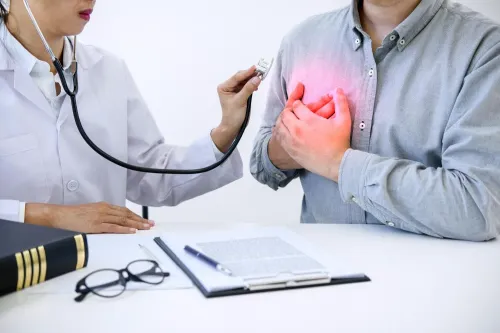
For stable or recurring symptoms, a heart disease doctor in Belapur begins with when symptoms occur, how long they last, triggers, previous illnesses, medicines, and family history. The examination includes pulse, heart and lung sounds, swelling, oxygen level, and blood pressure in appropriate circumstances.
The diagnostic pathway may include:
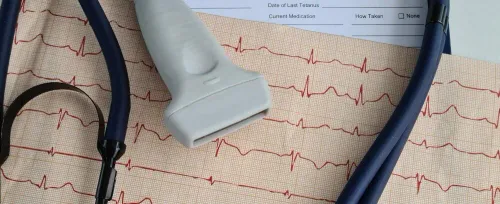
- An ECG, which records the heart’s electrical rhythm and can identify rhythm problems or signs of reduced blood flow.
- Blood tests, including troponin for suspected heart-muscle injury, plus tests relevant to anaemia, thyroid disease, kidney function, cholesterol, and diabetes.
- A chest X-ray and echocardiogram when breathlessness, swelling, reduced exercise tolerance, or waking breathless at night raises concern for heart failure. An ECG cannot show the heart’s pumping strength; an echocardiogram can.
- Holter monitoring for intermittent palpitations or unexplained fainting.
- Exercise testing, stress imaging, coronary CT angiography, or invasive angiography when the risk and clinical question justify them.
Risk factors such as smoking, high blood pressure, diabetes, kidney disease, obesity, inactivity, cholesterol, and family history guide follow-up even after a normal ECG.
Prepare the Information Your Heart Specialist Needs
Bring your medication list, previous reports, and a clear record of what you have felt. A heart specialist for heart disease in Navi Mumbai needs the timeline, triggers, severity, and impact of your symptoms—not just the phrase “heart check-up.”
- Write each symptom’s start date, duration, frequency, trigger, and what relieves it.
- List every medicine, supplement, dose, allergy, and missed dose.
- Bring ECGs, echocardiograms, blood tests, scans, hospital discharge papers, and home blood-pressure readings.
- Note diabetes, high cholesterol, kidney disease, smoking, inactivity, and close relatives with early heart disease.
- Take someone who witnessed fainting, palpitations, or breathing difficulty if your account may be incomplete.
Ask questions that reveal whether the evaluation matches your symptoms and risk rather than relying on a single normal test.
| Question | A thorough answer includes | Warning sign |
|---|---|---|
| What could explain my symptoms? | Several reasonable causes, including arrhythmia, valve disease, heart failure, or coronary disease | A diagnosis based only on one symptom |
| Which tests answer that question? | Why an ECG, echocardiogram, blood test, Holter monitor, stress test, or coronary CT is being chosen | Every available test is ordered without a clinical reason |
| What do my results mean? | Findings, limits, next steps, and when results need review | “Normal” is treated as proof that future risk is absent |
| How will you manage my risks? | Targets and follow-up for blood pressure, cholesterol, diabetes, weight, smoking, and kidney disease | No plan beyond reassurance or a prescription |
| When should I seek urgent help? | Clear symptoms and the emergency action to take | Advice to wait for a routine appointment despite worsening symptoms |
How Doctors Match Medicines, Procedures, and Rehabilitation to You
Treatment is matched to the problem shown by your symptoms, examination, and test results—not by a generic “heart check-up” label. An abnormal ECG, raised troponin, reduced ejection fraction, irregular rhythm, narrowed artery, valve problem, or persistently high blood pressure leads to different decisions.
- Confirm the diagnosis and urgency. A heart attack or dangerous rhythm needs hospital treatment; mild valve disease, isolated palpitations, or borderline findings may need monitoring and repeat testing.
- Match the treatment to the finding. Medicines may control blood pressure, cholesterol, rhythm, fluid overload, or clot risk. Lifestyle changes target tobacco, diet, activity, sleep, weight, diabetes, and cholesterol. Angioplasty, a pacemaker, valve repair, or bypass surgery is considered when anatomy or heart function shows that medicine alone is insufficient.
- Adjust for your other conditions and risks. Kidney disease affects drug choice and contrast use; diabetes, previous stroke, smoking, family history, age, bleeding risk, and frailty change the balance between benefit and harm.
- Set a review plan. Observation is active follow-up, not dismissal: ask when to repeat an ECG, echocardiogram, blood test, or Holter monitor and which symptoms require urgent help.
After an event or procedure, supervised cardiac rehabilitation can rebuild activity safely while clinicians adjust medicines and risk factors. When comparing cardiac treatment Belapur options, ask who interprets each test and who changes treatment afterward. A heart specialist for heart disease in Navi Mumbai should also explain emergency escalation and hospital transfer arrangements.
What to Compare When Choosing Cardiac Care in Belapur
A clinic name containing “cardiac” does not prove it can handle an emergency. If you searched for heart disease treatment in belapur or heart disease doctor belapur, compare these practical capabilities before booking:
| Check | Ask | Warning sign |
|---|---|---|
| Emergency escalation | Where will you go if an ECG or symptoms suggest a heart attack, dangerous rhythm, or need for monitored admission? | Staff only suggest returning later or arranging your own transfer |
| Test interpretation | Who interprets the ECG, echocardiogram, Holter report, and blood tests, and how are abnormal results explained? | You receive numbers without a diagnosis or next step |
| Treatment follow-up | How soon can medicines be reviewed, and who handles side effects, blood-pressure readings, or worsening symptoms? | The clinic offers testing but no scheduled review |
| Long-term risk management | Will the plan track blood pressure, cholesterol, diabetes, smoking, kidney disease, weight, exercise, and family history? | A normal one-time ECG is presented as proof that future risk is low |
Ask how urgent results reach you and what happens after hours. A diagnostic test without interpretation and follow-up can create false reassurance or unnecessary anxiety.
For chest pressure, pain spreading to the arm, jaw, back, or upper abdomen, breathlessness, cold sweating, nausea, or light-headedness, call 112 and request emergency care rather than driving to a routine appointment.
Heart Fitt Cardiac Wellness Clinic belongs on your comparison list only after you confirm how its assessment links to hospital escalation and continuing medication and risk-factor review.
Related services
Heart Disease Treatment At Heart Fitt Cardiac Wellness Clinic, Dr. Charan Reddy provides comprehensive and personalized heart disease treatment using advanced diagnostic... View service → |
Cardiac Care Treatment At Heart Fitt Cardiac Wellness Clinic in Belapur, Navi Mumbai, Dr. View service → |
Frequently asked questions
Which heart symptoms need an emergency call to 112?
Call 112 for chest pressure, squeezing, or pain spreading to the arm, back, neck, jaw, or upper abdomen, especially with breathlessness, cold sweating, nausea, or light-headedness. Symptoms can be mild in women, older adults, and people with diabetes.
What happens during a cardiac evaluation?
A cardiac evaluation moves from your symptoms and medical history to an examination and targeted tests. The clinician uses the findings to identify the likely heart problem and plan treatment.
What information should you bring to a heart specialist?
Bring a timeline of symptoms, your current medicine list and doses, previous test reports, diagnoses, allergies, and family history of heart disease.
How do doctors choose between medicines, procedures, and rehabilitation?
Doctors match treatment to the diagnosis, symptom severity, test results, other health conditions, risks, and your recovery goals. Options can include medicines, procedures, lifestyle changes, and cardiac rehabilitation.
What should you compare when choosing cardiac care in Belapur?
Compare emergency access, available diagnostic testing, the heart specialist’s approach, treatment coordination, follow-up arrangements, rehabilitation support, and how clearly the clinic explains costs and next steps.
Related services
Heart Failure Treatment At Heart Fitt Cardiac Wellness Clinic, Dr. Charan Reddy offers advanced and compassionate care for heart failure. View service → |
Cardiomyopathy Treatment At Heart Fitt Cardiac Wellness Clinic, Dr. Charan Reddy provides advanced care for patients with cardiomyopathy, a condition that affects the heart... View service → |
Heart Attack Treatment Dr. Charan Reddy provides prompt and advanced heart attack treatment at Heart Fitt Cardiac Wellness Clinic, Belapur, Navi Mumbai. View service → |
Preventive Cardiology Treatment Preventive Cardiology Treatment at Heart Fitt Cardiac Wellness Clinic, Belapur, Navi Mumbai, led by Dr. Charan Reddy, focuses on preventing heart disease before it starts. View service → |
Keywords