Cardiomyopathy includes several heart-muscle disorders, so treatment depends on the specific pattern, its cause, symptoms, rhythm risk, and family history. By the end, you will know which warning signs need emergency care, what tests to expect, when inherited-risk assessment matters, and how to compare a long-term care plan.
Key takeaways
- Symptoms alone cannot identify the cardiomyopathy phenotype.
- Ask for ECG, echocardiography and targeted testing during evaluation.
- Review family history before deciding whether genetic testing is needed.
- Match medicines, devices and follow-up to your heart’s structure and function.
Which type of cardiomyopathy could explain your symptoms?
The five main cardiomyopathy phenotypes affect the heart in different ways, so symptoms alone cannot identify the cause. This distinction matters when planning cardiomyopathy treatment in Belapur.
| Type | What changes | Typical clues |
|---|---|---|
| Dilated | One or both ventricles enlarge and weaken | Breathlessness on exertion, fatigue, ankle swelling, reduced exercise tolerance; advanced disease causes breathlessness at rest |
| Hypertrophic | Heart muscle thickens and may obstruct blood leaving the left ventricle | Chest pain, breathlessness, palpitations, dizziness or fainting |
| Restrictive | Stiff heart muscle cannot fill easily | Swelling, abdominal congestion and breathlessness, even when the pumping percentage appears preserved |
| Arrhythmogenic right ventricular | Right-ventricle muscle is replaced or damaged, creating electrical instability | Palpitations, fainting or dangerous ventricular rhythms before major pump failure |
| Stress-induced | Severe emotional or physical stress temporarily weakens the heart | Sudden chest pain and breathlessness resembling a heart attack |
Visible symptoms do not reliably measure severity. Arrhythmogenic disease can produce a dangerous rhythm before obvious weakness, while restrictive disease can cause congestion despite a preserved ejection fraction.
Severe breathlessness at rest, fainting, persistent chest pain, blue lips, confusion, rapidly worsening swelling, sudden inability to lie flat, or a sustained fast or irregular heartbeat requires emergency assessment in Navi Mumbai. Do not wait for a routine cardiomyopathy appointment.
What should a cardiomyopathy evaluation include?
A proper evaluation combines your history, examination, rhythm assessment, heart imaging and blood tests. A cardiomyopathy doctor in Belapur should ask when symptoms began, whether infections preceded them, and about alcohol, stimulants, medicines, pregnancy plans and heart disease across three generations.
- Examination: blood pressure, pulse, oxygen saturation, murmurs, fluid congestion and signs of poor circulation.
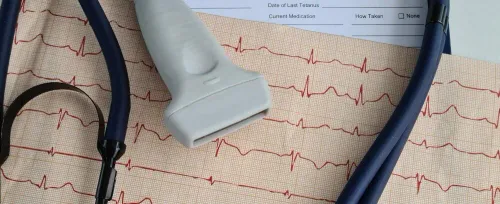
- 12-lead ECG: rhythm disturbances, conduction problems and patterns suggesting hypertrophy or previous heart injury.
- Echocardiogram: ejection fraction, chamber size, wall thickness, valve function, outflow obstruction and clues to raised filling pressure.
- Chest X-ray: lung congestion or an enlarged heart.
- Blood tests: blood count, kidney function, electrolytes, thyroid function and tests for other suspected causes.
- Holter monitor: intermittent rhythm disturbances that a clinic ECG can miss.
- Exercise testing: exertional capacity, heart-rate response and whether activity reproduces symptoms.
- Cardiac MRI: chamber structure, scar, inflammation and tissue composition when the echocardiogram is incomplete or the diagnosis remains uncertain.
- Coronary evaluation: assessment for coronary artery disease when chest pain, age, risk factors or test findings raise concern.
The clinician must distinguish cardiomyopathy from myocarditis, uncontrolled hypertension, valve disease, anemia, thyroid disease and ordinary deconditioning. Ask which test answers each question, what result changes treatment, and when kidney function, potassium, symptoms, ventricular function and rhythm will be reassessed.
When do family history and genetic testing change the plan?
Family history changes the plan without proving that every cardiomyopathy is inherited. Ask relatives specifically about sudden cardiac death, unexplained fainting, cardiomyopathy, heart failure, heart transplantation, unexplained car accidents and known genetic disorders.
Discuss genetic counselling when:
- Cardiomyopathy appears at a young age.
- Several relatives have heart muscle disease or related findings.
- The family includes unexplained sudden death.
- The heart’s structure or rhythm shows a distinctive phenotype.
- Clinical evaluation has not identified a cause.
Counselling should explain what positive, negative and uncertain results mean, who should be tested, privacy considerations and the limits of current genetic knowledge. A genetic result is not automatically the cause of your heart findings; it must fit your clinical phenotype and the family pattern.
When testing identifies a disease-causing variant, cascade testing checks for the same variant in parents, siblings and adult children. Relatives who test positive need clinical screening even when they feel well. Screening may include an ECG and echocardiogram, with repeat tests at an age and interval selected by the cardiology team.
A relative who tests negative for the confirmed familial variant may avoid unnecessary inherited-risk surveillance. Do not treat absent symptoms as reassurance when testing is incomplete. If you are comparing cardiomyopathy treatment in Navi Mumbai, ask whether genetic counselling and a documented family-screening plan are included when these warning patterns exist.
How is treatment matched to the cardiomyopathy phenotype?
One prescription cannot treat every cardiomyopathy because treatment follows the phenotype, obstruction, pumping function, rhythm risk and underlying cause. A cardiomyopathy specialist near me should establish those features before setting long-term therapy.
For heart failure with reduced ejection fraction, treatment commonly combines four evidence-based classes:
- An angiotensin-receptor/neprilysin inhibitor, or an ACE inhibitor or ARB when appropriate
- An evidence-based beta blocker
- A mineralocorticoid-receptor antagonist
- An SGLT2 inhibitor
After starting or changing medicines, review kidney function, potassium, blood pressure and drug interactions. In dilated cardiomyopathy, an implantable cardioverter-defibrillator depends on ejection fraction, symptoms, time on optimized treatment, ventricular arrhythmia risk, cause and expected survival. A low ejection fraction alone does not make implantation automatic.
Symptomatic obstructive hypertrophic cardiomyopathy often starts with a non-vasodilating beta blocker. Persistent symptoms may lead to discussion of verapamil or diltiazem, disopyramide, mavacamten or septal-reduction therapy. Mavacamten requires scheduled echocardiograms and has important drug-interaction and reproductive-safety restrictions. Atrial fibrillation in HCM generally calls for anticoagulation regardless of the usual CHA2DS2-VASc score.
Exercise advice must match phenotype and rhythm risk. Mild-to-moderate recreational activity suits many patients, while vigorous activity requires shared decision-making with the treating team.
How do you choose a long-term cardiomyopathy care plan in Belapur?
Choose a plan that documents your specific phenotype and suspected cause, not one that treats “cardiomyopathy” as a complete diagnosis. When comparing cardiomyopathy treatment in Belapur, use these questions:
| Question to ask | What a useful plan records | Why it matters |
|---|---|---|
| Phenotype and cause | Exact type, suspected cause, target medicines and doses | Treatment differs between dilated, hypertrophic and other forms |
| Safety monitoring | Kidney-function and potassium checks after medicine changes | Abnormal results can make treatment unsafe |
| Imaging schedule | A date or trigger for the next echocardiogram | Ventricular function, valves and outflow obstruction can change |
| Rhythm assessment | Holter monitoring for palpitations, fainting or near-fainting | A clinic ECG can miss intermittent arrhythmias |
| Specialist access | Where cardiac MRI or coronary evaluation will occur | These tests assess scar, inflammation or coronary disease |
| Family coordination | Who arranges genetic counselling and relative screening | Inherited risk may affect symptom-free family members |
At each review, ask about breathlessness, swelling, blood pressure, ventricular function, valve or outflow obstruction, rhythm, device status, alcohol, stimulants, sleep-disordered breathing, adherence and pregnancy plans. Bring previous ECGs, imaging reports, medicine strips, discharge summaries and a written family history.
If you are searching for a cardiomyopathy specialist near me, Heart Fitt Cardiac Wellness Clinic can help you discuss whether its evaluation and follow-up structure fits your diagnosis. Seek emergency help for sudden breathlessness, fainting, chest pain, blue lips, severe swelling, or a sustained fast or irregular heartbeat instead of waiting for review.
Related service
Cardiomyopathy Treatment At Heart Fitt Cardiac Wellness Clinic, Dr. Charan Reddy provides advanced care for patients with cardiomyopathy, a condition that affects the heart... View service → |
Frequently asked questions
Which type of cardiomyopathy could explain your symptoms?
Dilated, hypertrophic, restrictive, arrhythmogenic and stress cardiomyopathy affect the heart differently, so symptoms alone cannot identify the type.
What should a cardiomyopathy evaluation include?
Evaluation can include a medical and family history, physical examination, ECG, echocardiography, blood tests and additional imaging or rhythm testing when indicated.
When do family history and genetic testing change the plan?
A family history of cardiomyopathy, sudden cardiac death or unexplained fainting can prompt genetic counselling, testing and screening for relatives.
How is treatment matched to the cardiomyopathy phenotype?
Treatment depends on the phenotype and may combine medicines, rhythm management, lifestyle measures, device therapy and treatment of the underlying cause.
How do you choose a long-term cardiomyopathy care plan in Belapur?
Choose a cardiology service that can coordinate diagnosis, risk assessment, treatment adjustments, emergency guidance and regular follow-up near Belapur.
Keywords