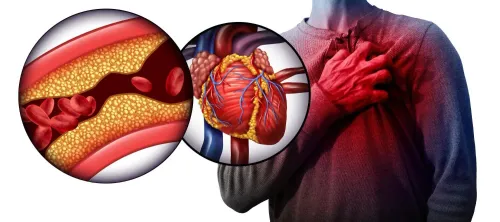
A sudden thump, racing pulse, or flutter can come from caffeine, dehydration, anaemia, anxiety, medication, or a genuine rhythm disorder. You will learn how to spot emergency symptoms, prepare for irregular heartbeat evaluation, and match treatment to the cause instead of treating every episode with the same medicine.
Key takeaways
- Seek emergency care for palpitations with chest pain, fainting, or severe breathlessness.
- Record when palpitations start, how long they last, and possible triggers.
- An ECG, Holter monitor, or blood test can identify the underlying cause.
- Treatment ranges from trigger management to medicines or procedures for arrhythmias.
When are palpitations harmless, and when are they an emergency?
Palpitations are a symptom, not a diagnosis: you are noticing your heartbeat, but the cause could be harmless heartbeat awareness or an arrhythmia. A brief, isolated flutter or skipped beat while resting is less concerning, especially after a clear trigger.
Risk rises when palpitations start during exertion, continue, or occur with known heart disease or a family history of sudden cardiac death.
Common reversible causes include:
- Stress, panic, caffeine, nicotine, alcohol, or sleep loss
- Decongestants, stimulant medicines, recreational drugs, or other medication effects; do not stop prescribed medicines abruptly
- Fever, dehydration, low blood sugar, pregnancy, thyroid disease, anaemia, or electrolyte disturbances
Arrange medical assessment when episodes recur, last longer, occur with exercise, or remain unexplained. A clinician may need an ECG and blood tests rather than assuming anxiety. That assessment guides safe palpitations treatment in Navi Mumbai.
Call emergency services immediately for:
- Chest pain or pressure
- Fainting or near-fainting
- Severe breathlessness
- New confusion or collapse
- Low blood pressure, or ongoing palpitations with marked weakness
Do not drive yourself when symptoms suggest a heart attack or cardiac arrest. Call an ambulance and follow the dispatcher’s instructions.
What can different heart rhythms feel like?
Premature beats often feel like a pause followed by a forceful thump, while sustained arrhythmias create a continuing change in speed or regularity.
| Rhythm | Typical sensation or pulse | What it suggests |
|---|---|---|
| Premature atrial contractions | A skipped or extra beat, sometimes followed by a strong thump | Often benign when the heart is structurally normal |
| Premature ventricular contractions | A pause, then a heavy thump or brief flutter | Frequent beats, exertional symptoms, or abnormal tests need further assessment |
| Supraventricular tachycardia | A very rapid, regular pounding that starts and stops abruptly | A sustained rhythm requiring assessment if recurrent or prolonged |
| Atrial fibrillation | An uneven, chaotic sensation with an irregularly irregular pulse | Stroke-risk assessment and rhythm evaluation are important |
| Atrial flutter | A fast, persistent heartbeat that may feel regular | Requires evaluation of rate, duration, heart structure, and stroke risk |
Ventricular arrhythmias are less common but more dangerous. Fainting, symptoms during exertion, known structural heart disease, or a family history of sudden death raises concern and warrants urgent medical assessment.
A regular fast pulse from fever, dehydration, panic, or low blood sugar is different from an intermittent rhythm disorder: it reflects a trigger rather than necessarily an abnormal electrical circuit. Symptoms alone cannot identify the rhythm. An irregular heartbeat evaluation, ideally recording the rhythm during symptoms, is needed to distinguish these causes.
What happens during an irregular heartbeat evaluation?
Record each episode before your appointment: start and stop time, duration, pulse rate, whether the rhythm felt regular or irregular, body position, activity, suspected trigger, associated symptoms, medicines and supplements, caffeine or alcohol intake, and smartwatch or pulse-oximeter readings.
- A palpitation specialist in Navi Mumbai will review your medical history, family history, medicines, and supplements, then check blood pressure and pulse and perform a 12-lead ECG.
- Blood tests can include a complete blood count for anaemia, electrolytes and renal function, thyroid-stimulating hormone, and glucose when symptoms or examination findings indicate them.
- A normal ECG does not exclude an intermittent arrhythmia. If the episode ended before testing, the rhythm may have returned to normal.
- Match monitoring to symptom frequency: use a 24-hour or 48-hour Holter monitor for daily symptoms; an event recorder or longer patch monitor for less frequent episodes; and an implantable loop recorder for rare, unexplained episodes such as unexplained syncope.
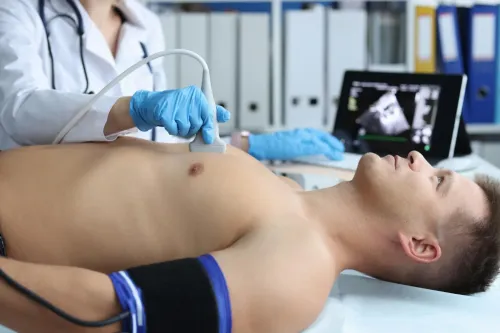
- Ask about echocardiography when the ECG is abnormal, a murmur is present, you have known heart disease, or structural disease is suspected. The scan checks heart chambers, valves, pumping function, and structure.
Bring your episode log and device readings, but treat them as clues rather than a diagnosis. The clinician needs to capture the rhythm during symptoms whenever possible, because treatment depends on the documented rhythm and underlying heart findings.
Which treatment helps each cause of palpitations?
A search for heart pounding treatment Belapur will not produce one universal palpitations medicine, because palpitations describe a sensation, not a diagnosis. Treatment depends on the rhythm, heart structure, trigger, and risks shown by testing.
| Cause | Treatment | When it applies |
|---|---|---|
| Benign premature beats | Reassurance, better sleep, hydration, and less caffeine, alcohol, nicotine, and stimulant medicines | When evaluation shows a structurally normal heart; do not stop prescribed medicines abruptly |
| Anaemia, thyroid disease, infection, dehydration, low blood sugar, or electrolyte abnormality | Treat the underlying disorder | When blood tests, symptoms, or examination identify that cause |
| Documented SVT | Clinician-taught vagal manoeuvres; monitored intravenous adenosine if they fail; catheter ablation for many recurrent cases | Vagal manoeuvres are for a stable episode; adenosine requires medical monitoring |
| Atrial fibrillation or flutter | Anticoagulation, rate control, rhythm control, or cardioversion | After assessing stroke risk, bleeding risk, episode duration, heart structure, and reversible triggers |
Do not use vagal manoeuvres for an unexplained or unstable rhythm. Seek urgent care for chest pain, fainting, severe breathlessness, collapse, confusion, or ongoing palpitations with marked weakness.
Frequent ventricular ectopy, symptoms that begin during exertion, abnormal ECG or examination findings, or a family history of sudden cardiac death require specialist assessment rather than self-treatment.
How should you choose palpitations care in Navi Mumbai?
Choose a palpitations doctor in Navi Mumbai who can investigate an intermittent rhythm, not just prescribe palpitations treatment in Navi Mumbai. Ask these questions before booking:
- Can you perform or arrange a 12-lead ECG and blood tests, including a complete blood count, electrolytes, renal function, thyroid-stimulating hormone, and glucose when indicated?
- Can you provide 24-hour Holter monitoring, longer event or patch monitoring, and echocardiography when findings call for it?
- How are chest pain, fainting, severe breathlessness, collapse, or sustained rapid palpitations escalated?
- Who reviews reports, and how quickly will you be contacted about an abnormal result?
| Monitoring option | Best match | Practical limitation |
|---|---|---|
| 24-hour Holter | Daily symptoms | A normal recording can miss less frequent episodes |
| Event recorder or patch | Weekly or less frequent episodes | You must activate or wear it as instructed |
| Implantable loop recorder | Rare unexplained episodes, especially syncope | Requires a procedure after initial testing |
Confirm appointment availability, expected waiting time, test scheduling, report collection or digital delivery, and whether testing occurs at the same location. Ask the clinic what to bring: identity document, prior ECGs, prescriptions, medicine and supplement lists, relevant records, and smartwatch or pulse-oximeter readings.
Heart Fitt Cardiac Wellness Clinic in Belapur is worth considering if its evaluation and follow-up arrangements fit your needs. Emergency symptoms require emergency services, not a routine appointment. Seek a palpitation specialist in Navi Mumbai when episodes recur, last longer, occur with exertion, or remain unexplained.
Related services
Palpitations Treatment Dr. Charan Reddy at Heart Fitt Cardiac Wellness Clinic offers advanced and personalized treatment for palpitations in Belapur, Navi Mumbai. View service → |
Irregular Heartbeat (Arrhythmia) Treatment Irregular Heartbeat (Arrhythmia) Treatment Irregular heartbeat, also known as arrhythmia, can cause symptoms such as palpitations, dizziness, fatigue, or shortness of breath if left untreated. View service → |
Frequently asked questions
When are palpitations harmless, and when are they an emergency?
Brief, isolated fluttering or skipped beats after a clear trigger are less concerning. Seek emergency care when palpitations occur with chest pain, fainting, severe breathlessness, confusion, or persistent rapid heartbeat.
What can different heart rhythms feel like?
Extra beats can feel like a skip or thump. A fast regular rhythm can feel like racing or pounding, while an irregular rhythm can feel uneven or chaotic. Symptoms alone cannot identify the rhythm.
What happens during an irregular heartbeat evaluation?
A clinician reviews your symptoms, medicines, caffeine or alcohol intake, medical history, and pulse. Testing can include a 12-lead ECG, Holter monitor, event monitor, echocardiogram, and blood tests when indicated.
Which treatment helps each cause of palpitations?
Treatment depends on the cause. Removing triggers can help benign palpitations, correcting thyroid or electrolyte problems treats a medical cause, and prescribed medicines or procedures address diagnosed arrhythmias.
How should you choose palpitations care in Navi Mumbai?
Choose a clinic that offers a cardiology assessment, ECG and rhythm monitoring, access to cardiac testing, clear emergency guidance, and follow-up for ongoing heart-rhythm management.
Related service
Pacemaker Treatment at Heart Fitt Cardiac Wellness Clinic, Belapur, Navi Mumbai, under the expert care of Dr. View service → |
Keywords