A coronary blockage develops when plaque narrows the artery supplying the heart, reducing oxygen delivery to the heart muscle. By understanding the warning signs, diagnostic tests, treatment choices and follow-up needs, you can respond to an emergency quickly and compare care options more intelligently.
Key takeaways
- Sudden chest pressure, breathlessness or sweating needs emergency medical care.
- Angiography shows the blockage; stress tests and pressure measurements show its impact on blood flow.
- Medicines treat risk and symptoms; angioplasty or bypass restores flow when narrowing is severe.
- After a stent or bypass, take prescribed medicines and attend cardiac rehabilitation and follow-up visits.
What a coronary blockage does to heart blood flow—and when it becomes an emergency
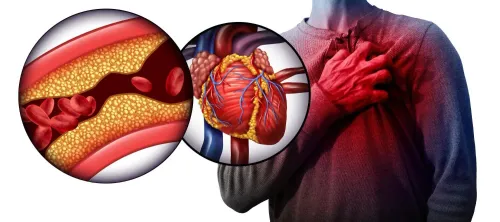
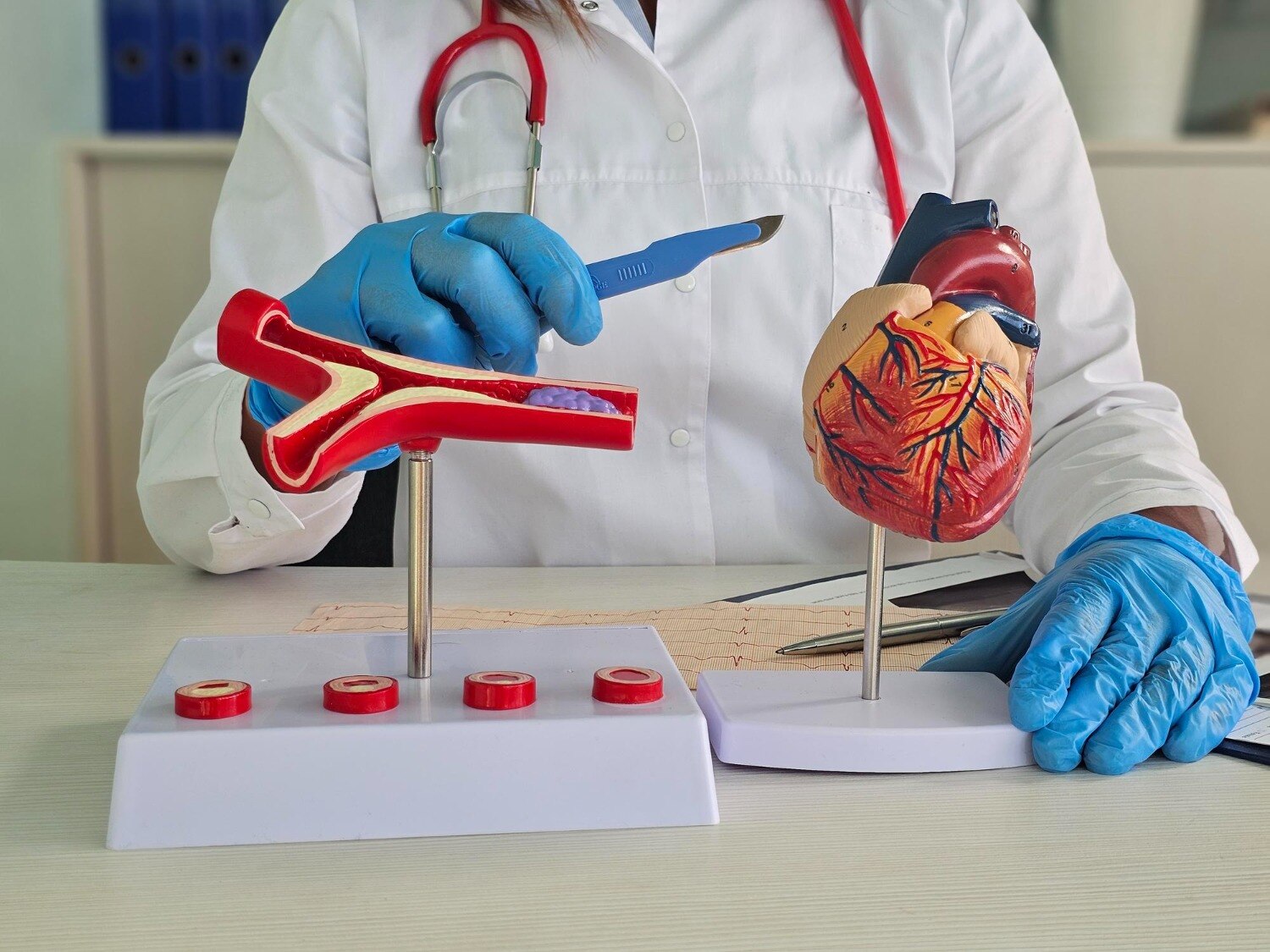
Fatty plaque builds in the wall of a coronary artery, then bulges into its channel and reduces the space available for blood. As the opening narrows, the heart muscle may receive too little oxygen during exertion, causing pressure or pain; a ruptured plaque can form a clot that suddenly blocks the artery completely.
Call emergency services immediately for:
- New, severe or persistent chest pressure or pain
- Pain spreading to an arm, jaw, back or shoulder
- Breathlessness, sweating or nausea
- Fainting or sudden extreme weakness
- Symptoms that begin at rest, worsen, or keep returning
Do not drive yourself, wait for a preferred clinic or book routine heart blockage treatment near me when these signs occur. Emergency teams assess suspected acute coronary syndrome promptly; unstable angina and a heart attack can look similar at first, and new or worsening symptoms need urgent assessment.
Stable coronary artery disease usually causes predictable exertional symptoms that settle with rest, whereas unstable angina signals a higher-risk change without confirmed heart-muscle death. A heart attack involves injury from prolonged oxygen loss.
Women, older adults and people with diabetes may have breathlessness, nausea, unusual fatigue or weakness without obvious chest pain. Chest symptoms can also result from coronary spasm, microvascular angina, valve disease, lung disease, reflux or muscle problems. Leg-artery and carotid disease affect different vessels and follow separate diagnostic pathways.
How doctors confirm a blockage and find out whether it is restricting flow
Doctors begin with your medical history, risk factors, physical examination and resting ECG. They ask about symptom timing, exertion, diabetes, smoking, blood pressure, cholesterol, kidney disease and previous heart problems.
| Test | What it contributes | Important limit |
|---|---|---|
| History, examination and resting ECG | Estimates risk and detects rhythm changes or signs of reduced oxygen supply | A normal ECG does not exclude coronary disease |
| Serial ECGs and high-sensitivity troponin tests | Repeated readings look for evolving electrical changes and heart-muscle injury during suspected heart attack | One normal early ECG or blood test does not always exclude infarction |
| Echocardiography | Measures pumping function and identifies abnormal wall motion | It does not show every coronary narrowing |
| Stress testing | Looks for inducible ischemia when symptoms are stable | It may be unsuitable during acute symptoms |
| CT coronary angiography | Gives a non-invasive view of coronary anatomy in suitable stable patients | Kidney disease, contrast allergy or heavy calcium can affect suitability |
| Invasive coronary angiography | A wrist or groin catheter delivers contrast dye while X-ray outlines the artery lumen | It shows shape, not always whether a narrowing restricts flow |
During angiography, brief pressure or warmth can occur. Tell the team beforehand about kidney disease or any previous contrast allergy.
If a narrowing looks intermediate, fractional flow reserve (FFR) or instantaneous wave-free ratio (iFR) measures its functional effect and can prevent unnecessary stenting. The percentage narrowing alone does not decide treatment; symptoms, ischemia, anatomy and heart function matter when choosing blocked arteries treatment in Navi Mumbai.
Which treatment restores flow: medicines, angioplasty or bypass surgery?
Coronary artery blockage treatment is not automatically a stent. Antiplatelet drugs reduce clotting risk; high-intensity statins lower LDL cholesterol; beta blockers and nitrates relieve angina; blood-pressure medicines and diabetes treatment reduce future plaque-related events. These medicines do not mechanically remove plaque overnight or replace emergency reperfusion during a heart attack.
| Option | What it does | When it is considered |
|---|---|---|
| Medical therapy | Controls symptoms and risk factors | Stable disease when symptoms and ischemia are manageable |
| PCI | Balloon dilation followed by a drug-eluting stent | Limiting symptoms despite treatment, significant ischemia, high-risk anatomy or acute coronary syndrome |
| Bypass surgery | Creates new routes around diseased segments | Left-main disease, complex multivessel disease, diabetes with multivessel disease or anatomy unsuitable for durable stenting |
During PCI, a balloon widens the narrowed segment before a drug-eluting stent holds it open. The stent releases medicine that reduces re-narrowing compared with older bare-metal designs. Bypass uses grafts to route blood around blockages rather than opening every diseased segment.
Smoking cessation, prescribed regular exercise, weight management, diabetes control and a Mediterranean-style eating pattern support either procedure. Choosing between treatments requires a cardiology and cardiac-surgery Heart Team assessment of vessel number, lesion location and length, heart function, kidney disease, bleeding risk and surgical risk.
A severe-looking narrowing does not decide treatment alone; symptoms and measured ischemia matter.
What recovery involves after a stent or bypass—and why treatment continues
After angioplasty (PCI), recovery is often quicker, but a wrist or groin access site can bleed or develop a painful swelling. Contrast dye can injure the kidneys, especially with existing kidney disease; the artery can also re-narrow, or a clot can block the stent (stent thrombosis). Take prescribed dual antiplatelet therapy for the instructed duration.
Never stop it without medical advice, especially after a stent or heart attack.
- Review medicines, including statins, antiplatelets, blood-pressure drugs and diabetes treatment.
- Check the wound or access site for bleeding, swelling, redness or discharge.
- Complete follow-up testing when your clinician indicates it.
- Enrol in cardiac rehabilitation and increase activity gradually.
- Follow restrictions on lifting, driving and work.
Bypass surgery has a longer recovery and different risks: wound infection, bleeding, stroke and atrial fibrillation. Your team will set limits while the breastbone and surgical wounds heal.
Cardiac rehabilitation means supervised or prescribed exercise combined with education, medication support and psychosocial care. Coronary artery blockage treatment continues because a stent or graft does not cure plaque formation; keep managing LDL cholesterol, blood pressure, diabetes, tobacco exposure, weight and physical activity.
Seek urgent care for recurrent chest pain, severe breathlessness, fainting or worsening symptoms.
How to choose local blocked-artery care and prepare for the decision
Choose a service by what it can do next, not by the phrase heart blockage treatment near me. For blocked arteries treatment in Navi Mumbai, confirm immediate cardiac assessment, ECG, laboratory testing, high-sensitivity troponin, echocardiography, CT coronary angiography and invasive angiography when indicated.
Ask whether it has clear referral pathways to a hospital and cardiac-surgery team, after-hours emergency arrangements, and a named clinician for follow-up.
A blocked arteries doctor in Belapur should help you answer these questions before planned treatment:
- Where is the blockage, what percentage is it, and does it restrict blood flow?
- What is the treatment goal, and what alternatives exist?
- How long will medicines such as antiplatelet drugs continue?
- How many hospital days, warning signs and follow-up visits should you expect?
- Should you obtain a second opinion?
- What will consultation, tests, hospitalisation, the procedure, stent or graft, medicines, travel, time off work and follow-up cost? Insurance coverage varies.
| Option | What it means | Correct next step |
|---|---|---|
| Emergency facility | New severe or persistent pain, symptoms at rest, fainting, severe breathlessness or shock signs | Go to the nearest facility able to assess and restore coronary flow; do not wait for a preferred appointment |
| Planned local consultation | Stable symptoms without emergency warning signs | Review test results, risks, alternatives and referrals |
| Heart Fitt Cardiac Wellness Clinic | A Belapur option to evaluate alongside these checks | Confirm its emergency and hospital referral arrangements; it does not replace emergency services |
Related services
Blocked Arteries Treatment Dr. Charan Reddy at Heart Fitt Cardiac Wellness Clinic, Belapur, Navi Mumbai, offers advanced and personalized treatment for blocked arteries to... View service → |
Angioplasty Treatment at HeartFitt Cardiac Wellness Clinic in Belapur, Navi Mumbai is expertly performed by Dr. Charan Reddy to restore healthy blood flow to the heart. View service → |
Frequently asked questions
When does a coronary artery blockage become an emergency?
Treat sudden chest pressure or pain, breathlessness, cold sweating, nausea, faintness or pain spreading to the arm, jaw or back as an emergency. A ruptured plaque can create a clot and abruptly stop blood flow.
How do doctors confirm a blocked coronary artery?
Doctors combine your symptoms and examination with tests such as an electrocardiogram, blood tests for heart damage, echocardiography, stress testing and coronary CT angiography. Invasive coronary angiography maps the artery directly.
How do doctors determine whether a blockage restricts blood flow?
Stress testing shows whether exertion reduces oxygen delivery. During angiography, fractional flow reserve or instantaneous wave-free ratio measures pressure across a narrowing and helps guide treatment.
When are medicines, angioplasty or bypass surgery used?
Medicines reduce clotting risk, cholesterol and the heart's workload. Angioplasty can open a suitable narrowing with a balloon and stent. Bypass surgery routes blood around complex, multiple or strategically placed blockages.
What happens after a stent or bypass?
Recovery includes prescribed antiplatelet or other medicines, wound or access-site care, gradual activity, risk-factor control, follow-up and cardiac rehabilitation. Do not stop blood-thinning medicine without your cardiologist's instruction.
Related services
Angiography Treatment Angiography is a specialized diagnostic procedure used to evaluate blockages or narrowing in the heart’s blood vessels. View service → |
Stent Placement Treatment at Heart Fitt Cardiac Wellness Clinic is expertly performed by Dr. Charan Reddy to restore healthy blood flow in blocked or narrowed heart arteries. View service → |
Bypass Surgery (CABG) Treatment Bypass Surgery (CABG) Treatment Coronary Artery Bypass Grafting (CABG) is a proven surgical procedure to restore healthy blood flow to the heart when coronary arteries are severely... View service → |
Coronary Artery Disease Treatment Coronary Artery Disease Treatment Dr. Charan Reddy at Heart Fitt Cardiac Wellness Clinic, Belapur, Navi Mumbai offers advanced and personalized treatment for Coronary Artery Disease. View service → |
Keywords