
Treatment depends on the rhythm recorded, not simply on the feeling of an irregular heartbeat. By matching each rhythm with its usual tests, medicines, procedures, and urgency level, you can prepare for the right consultation or seek emergency care without delay.
Key takeaways
- Treatment depends on the documented rhythm, symptoms, cause, and blood pressure.
- Ask about ECG, Holter monitoring, event recording, or longer-term rhythm monitoring.
- Chest pain, fainting, collapse, or severe breathlessness needs emergency cardiac care.
- Compare local services by testing access, emergency response, specialist review, and follow-up.
Match the Documented Rhythm to the Right Treatment
Treatment follows the documented rhythm, its cause, symptoms, and effect on blood pressure—not the vague label “irregular heartbeat.” For people comparing arrhythmia treatment options in Navi Mumbai, stable symptoms usually allow outpatient testing; fainting, chest pain, severe breathlessness, collapse, or a sustained unstable rhythm require emergency care.
| Rhythm | Usual heart rhythm treatment | When escalation applies |
|---|---|---|
| Premature atrial or ventricular beats | Reassurance, trigger reduction, medicine, or catheter ablation | Frequent symptoms, reduced heart function, or structural heart disease |
| Atrial fibrillation | Rate-control medicine; rhythm-control medicine or cardioversion; anticoagulation after stroke-risk and bleeding assessment | Catheter ablation for selected symptomatic patients; recurrence remains possible |
| Atrial flutter | Rate control, anticoagulation when indicated, cardioversion, or catheter ablation | Ablation is often considered when episodes recur |
| Supraventricular tachycardia | Vagal manoeuvres, clinician-administered medicine, or cardioversion | Catheter ablation for recurrent or troublesome episodes |
| Ventricular tachycardia | Urgent rhythm-specific medicine or electrical cardioversion | Defibrillation and an implantable cardioverter-defibrillator for selected high-risk patients |
| Bradycardia or heart block | Review medicines and reversible causes | Pacemaker for symptomatic, persistent, or high-grade conduction failure |
| Cardiac arrest | CPR and immediate defibrillation using an AED or hospital defibrillator | Emergency services and advanced resuscitation |
A safe heart rhythm treatment plan also checks electrolytes, thyroid function, structural heart disease, medication risks, and follow-up monitoring. Ask what to do if the rhythm returns; a generic prescription without that plan is incomplete.
Atrial Fibrillation and Fast Rhythms Need Separate Decisions
Atrial fibrillation is not treated with one all-purpose medicine. Doctors first confirm the rhythm, assess symptoms, blood pressure, heart function, reversible triggers, stroke risk and bleeding risk, then choose separate goals for heart rhythm treatment.
| Option | What it does | When it applies |
|---|---|---|
| Rate control | Slows the ventricular rate with medicines such as a beta blocker or diltiazem | Persistent AF or another fast rhythm when controlling symptoms is more practical than restoring rhythm |
| Rhythm control | Uses an antiarrhythmic medicine or another rhythm strategy | Significant symptoms, recent AF, reduced heart function, or a suitable patient who wants sinus rhythm |
| Anticoagulation | Reduces clot-related stroke risk; it does not slow the pulse | AF or atrial flutter when a validated stroke-risk score supports treatment, balanced against bleeding risk |
| Cardioversion | Delivers a controlled electrical shock to restore sinus rhythm | Selected AF or flutter; if AF exceeds 48 hours or its duration is unknown, clinicians address left-atrial clot risk with anticoagulation and/or transoesophageal echocardiography first |
| Catheter ablation | Targets tissue causing the abnormal rhythm | Symptomatic AF or recurrent SVT when medicines fail, cause side effects, or are not preferred; recurrence and repeat procedures remain possible |
People searching for arrhythmia treatment options in Navi Mumbai should ask what happens if symptoms return. Fainting, chest pain, severe breathlessness, collapse, or a sustained rapid heartbeat requires emergency care, not a routine appointment.
Stable, intermittent symptoms call for documented ECG monitoring and review of medicines, electrolytes, thyroid function and heart structure before selecting long-term treatment.
How Doctors Find an Arrhythmia That a Clinic ECG Misses
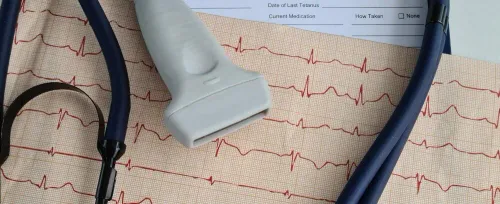
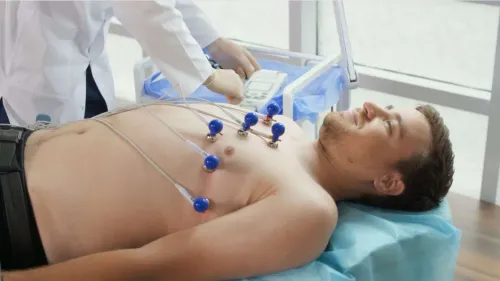
A normal 12-lead ECG does not rule out an intermittent arrhythmia; it records only the rhythm during those few minutes. An irregular heartbeat doctor in Navi Mumbai may prescribe ambulatory monitoring, matched to how often your symptoms occur.
| Monitor | Best match | What it can capture |
|---|---|---|
| 24–48-hour Holter | Daily palpitations or dizziness | Continuous rhythm recording |
| Patch or event monitor | Episodes separated by days or weeks | Longer recording, with patient-activated or automatic capture |
| Implantable loop recorder | Rare fainting or unexplained episodes | Rhythm data over months or years |
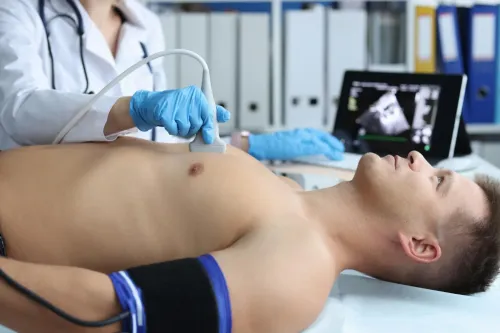
An exercise stress test helps when symptoms begin with exertion. Echocardiography checks heart structure and pumping function, while blood tests for potassium, magnesium, calcium and thyroid function look for reversible triggers; neither test replaces rhythm recording.
An electrophysiology study uses temporary catheters to provoke and map certain tachycardias when treatment such as ablation is being considered.
Bring these items to the appointment:
- A symptom diary showing the exact time, duration, activity, pulse rate and symptoms such as dizziness or chest discomfort
- Smartwatch recordings or alerts, without treating them as a diagnosis
- Every medicine, vitamin and supplement, including doses
- Previous ECGs, discharge papers and heart-test reports
- A list of fainting episodes, heart disease, thyroid problems and family history of sudden death
Call 112 for collapse, chest pain, severe breathlessness, new confusion, stroke signs or a sustained very rapid heartbeat with weakness. Do not wait for routine monitoring.
Know When an Irregular Heartbeat Is an Emergency
Call 112 immediately for chest pain, severe breathlessness, collapse, fainting, new confusion, one-sided weakness, facial drooping, trouble speaking, or a sustained very rapid heartbeat with weakness or dizziness. These symptoms can signal a dangerous rhythm, heart attack, or stroke. Do not drive yourself; sit or lie down, unlock the door, and follow the dispatcher’s instructions.
| Situation | Action | Why |
|---|---|---|
| Collapse, unresponsiveness, or abnormal breathing | Call 112, begin CPR if trained, and use an automated external defibrillator if available | Cardiac arrest requires immediate resuscitation |
| Chest pain, severe breathlessness, fainting, or stroke signs | Use emergency services now | A routine appointment can dangerously delay treatment |
| Brief palpitations that stop and leave you well | Record the time, pulse if possible, triggers, and symptoms; arrange outpatient review | Intermittent rhythms need documentation, not guesswork |
| Fast heartbeat that continues with weakness, dizziness, or low blood pressure | Seek emergency care | Sustained tachycardia can reduce blood flow or deteriorate rapidly |
Avoid these heart rhythm treatment mistakes:
- Do not double, stop, or restart a beta blocker, anti-arrhythmic, or anticoagulant without medical advice.
- Do not assume every slow pulse needs a pacemaker; medicines, thyroid disease, electrolyte abnormalities, sleep apnoea, and ischemia need assessment.
- Do not treat “irregular heartbeat” without identifying the rhythm on an ECG or monitor.
- Do not wait for a routine visit because an earlier episode stopped.
An irregular heartbeat doctor in Navi Mumbai should give you written recurrence instructions, medication warnings, and a clear emergency plan. A normal clinic ECG does not make alarming symptoms safe.
What to Check Before Choosing a Local Arrhythmia Service
Do not choose an arrhythmia service by its location label. Ask an arrhythmia specialist in Belapur or an irregular heartbeat doctor in Navi Mumbai which tests, emergency arrangements, procedures, and follow-up they provide directly or through a named hospital.
- Confirm access to a 12-lead ECG, Holter monitoring, event or patch monitoring, echocardiography, electrolytes, thyroid testing, and electrophysiology consultation.
- Ask where you will go for collapse, chest pain, severe breathlessness, confusion, stroke signs, or a sustained rapid heartbeat with weakness. Confirm emergency-department access and call 112 for immediate help.
- Ask whether the service evaluates catheter-ablation referrals and manages pacemaker or implantable cardioverter-defibrillator checks.
- Request written instructions covering medication risks, monitoring dates, and what to do if symptoms recur.
| Capability to compare | Evidence to verify | Why it matters |
|---|---|---|
| Diagnostic | ECG plus monitoring matched to symptom frequency; daily symptoms may need a 24–48-hour Holter, while infrequent episodes need longer monitoring | A normal resting ECG or smartwatch alert does not confirm or exclude arrhythmia |
| Emergency | Resuscitation equipment, trained staff, and a confirmed hospital pathway | A routine appointment is unsafe during instability |
| Procedures | Electrophysiology referral, ablation pathway, cardioversion access, and device services | Treatment depends on the documented rhythm |
| Follow-up | Repeat ECGs, device checks, medication review, and recurrence instructions | Treatment without surveillance can miss side effects or relapse |
An arrhythmia clinic in Navi Mumbai should explain these pathways before you commit. Heart Fitt Cardiac Wellness Clinic is one local service to question against this checklist, not a substitute for verifying each capability.
Related services
Irregular Heartbeat (Arrhythmia) Treatment Irregular Heartbeat (Arrhythmia) Treatment Irregular heartbeat, also known as arrhythmia, can cause symptoms such as palpitations, dizziness, fatigue, or shortness of breath if left untreated. View service → |
Palpitations Treatment Dr. Charan Reddy at Heart Fitt Cardiac Wellness Clinic offers advanced and personalized treatment for palpitations in Belapur, Navi Mumbai. View service → |
Frequently asked questions
How are arrhythmia treatment options selected?
Doctors match treatment to the documented rhythm, its cause, symptoms, and effect on blood pressure rather than the broad label “irregular heartbeat.”
How can doctors detect an arrhythmia that a clinic ECG misses?
They can use Holter monitoring, event recording, or longer-term rhythm monitoring to capture intermittent episodes outside the clinic.
When is an irregular heartbeat an emergency?
Seek emergency care for fainting, chest pain, severe breathlessness, collapse, or a sustained unstable rhythm.
What should you check before choosing an arrhythmia service in Navi Mumbai?
Check access to rhythm testing, specialist review, emergency cardiac care, clear reporting, and follow-up after treatment.
Related services
Pacemaker Treatment at Heart Fitt Cardiac Wellness Clinic, Belapur, Navi Mumbai, under the expert care of Dr. View service → |
Cardiac Arrest Emergency Treatment Cardiac Arrest Emergency Treatment at Heart Fitt Cardiac Wellness Clinic, Belapur, Navi Mumbai, under the expert care of Dr. Charan Reddy, focuses on rapid, life-saving intervention. View service → |
Cardiomyopathy Treatment At Heart Fitt Cardiac Wellness Clinic, Dr. Charan Reddy provides advanced care for patients with cardiomyopathy, a condition that affects the heart... View service → |
Heart Failure Treatment At Heart Fitt Cardiac Wellness Clinic, Dr. Charan Reddy offers advanced and compassionate care for heart failure. View service → |
Keywords