
A pacemaker is appropriate only when testing shows that a slow or interrupted heart rhythm is causing symptoms or creating a meaningful safety risk. You will be able to identify the usual diagnostic steps, compare device options, prepare for implantation, and understand the checks and precautions that continue afterward.
Key takeaways
- A low pulse alone does not prove you need a pacemaker.
- ECG and rhythm monitoring link symptoms to pauses or slow beats.
- Device choice depends on the rhythm problem and heart function.
- Plan wound checks, device checks, and activity guidance after discharge.
When does a heart rhythm problem justify a pacemaker?
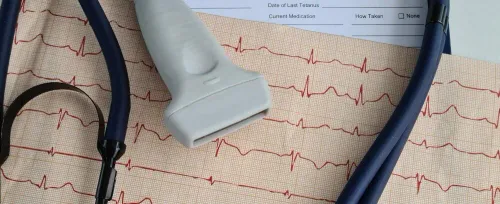
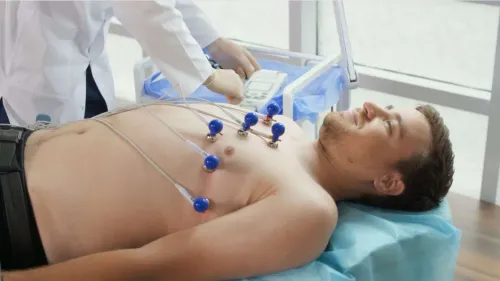
Pacemaker treatment in Belapur begins by proving that symptoms or risk are linked to a slow or interrupted rhythm, not simply finding a low pulse. Clinicians match fainting, dizziness, fatigue, reduced exercise tolerance, or breathlessness with a 12-lead ECG and, when needed, Holter or event monitoring.
A pacemaker becomes a serious option for:
- Symptomatic bradycardia caused by sinus-node dysfunction
- Clinically significant pauses that explain fainting or near-fainting
- Atrioventricular block, especially high-grade or advanced block, which can require pacing even without obvious symptoms
- Selected heart-failure cases where cardiac resynchronization pacing improves the timing of ventricular contraction
The ECG pattern, underlying cause, and risk of progression matter more than age alone.
| Option | Main purpose | When it fits |
|---|---|---|
| Pacemaker | Supports a slow or interrupted rhythm | Sinus-node dysfunction or significant heart block |
| Medicine or catheter ablation | Controls selected rhythm disorders | Some fast or abnormal rhythms |
| Implantable cardioverter-defibrillator | Treats dangerous fast ventricular rhythms with pacing or shocks | Ventricular tachycardia or fibrillation risk |
| Cardiac resynchronization pacing | Coordinates ventricular contraction | Selected heart failure with reduced pumping function and electrical delay |
A pacemaker is not the default treatment for fast rhythms or isolated palpitations. First correct reversible causes of a slow rate, such as a beta blocker or other rate-lowering medicine, thyroid disorder, or electrolyte abnormality.
Syncope with instability, severe breathlessness, chest pain, or shock requires immediate hospital assessment, not routine outpatient evaluation. Temporary pacing and emergency stabilization may come before any permanent-device decision.
What happens before a pacemaker recommendation?
1. Start with a detailed symptom timeline. Record each episode of fainting, near-fainting, dizziness, unusual fatigue, reduced exercise tolerance, or breathlessness on exertion, including what you were doing, how long it lasted, and whether recovery was immediate.
2. Expect pulse and blood-pressure checks, followed by a 12-lead ECG. A single ECG can miss intermittent pauses or heart block, so Holter monitoring or an event monitor may be needed to capture an episode during daily life.
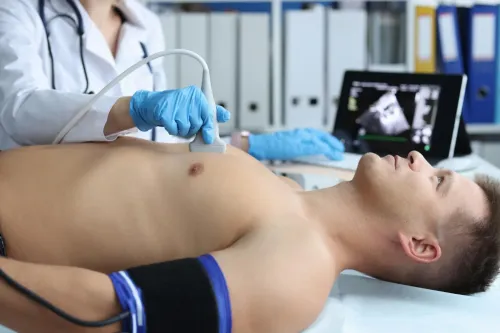
3. Echocardiography assesses heart structure and pumping function. Blood tests look for reversible causes, including thyroid abnormalities and abnormal potassium, magnesium, or other electrolytes.
4. Bring every medicine you take, including beta blockers and other rate-slowing drugs, because a medicine-related slow pulse may need adjustment rather than a permanent pacemaker. Bring prior ECGs, rhythm-monitor reports, echocardiograms, discharge summaries, a complete medication list with doses, and your symptom timeline.
5. For pacemaker care in Belapur, ask Heart Fitt Cardiac Wellness Clinic to state whether it performs implantation on site or arranges it through a named hospital referral pathway.
The available clinic information does not confirm on-site implantation or identify that hospital, so obtain the hospital name, responsible specialist, and where pre-operative and follow-up care will occur before making plans.
Related service
Pacemaker Treatment at Heart Fitt Cardiac Wellness Clinic, Belapur, Navi Mumbai, under the expert care of Dr. View service → |
Which pacemaker type fits the rhythm problem?
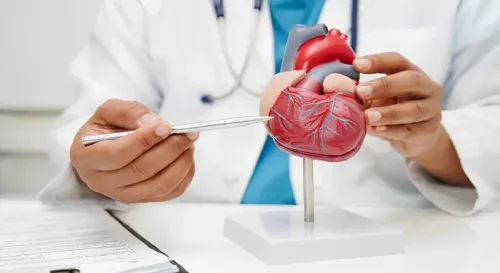
A pacemaker doctor in Navi Mumbai should match the device to the rhythm, heart structure, and amount of pacing you need. The wrong choice can leave an important chamber unsensed, add unnecessary leads, or fail to treat a dangerous fast rhythm.
| Option | What it does | Main trade-off or use |
|---|---|---|
| Single-chamber pacemaker | Uses one lead in the atrium or ventricle | Suits selected rhythm patterns; provides less chamber coordination |
| Dual-chamber pacemaker | Uses atrial and ventricular leads to sense and pace both chambers | Preserves more natural timing when both chambers need coordination; adds a lead and lead-related risks |
| Leadless pacemaker | Sits inside the heart without a chest pocket or transvenous lead | Eligibility, pacing capability, retrieval, and future replacement options differ from conventional systems |
| Cardiac resynchronization pacemaker | Uses multiple leads to coordinate ventricular contraction | For selected heart-failure patients with reduced pumping function and electrical delay; it is not an ordinary slow-rate pacemaker |
| Implantable cardioverter-defibrillator | Treats life-threatening fast ventricular rhythms with antitachycardia pacing or shocks | This is a different heart rhythm device treatment in Navi Mumbai, not a standard pacemaker for bradycardia |
Before consent, ask how the ECG, heart structure, vein access, infection risk, lead risk, pacing dependence, and target rhythm affect the recommendation. A leadless device can avoid pocket infection but is not automatically suitable, while an ICD may be necessary when the danger is a fast ventricular rhythm rather than a slow one.
What should you expect on the day of implantation and during recovery?
The implantation itself commonly takes about one to two hours, but your hospital plan depends on the device, sedation, medical history, and recovery. Revisions, difficult vein access, lead extraction, or extra leads can extend the procedure.
Before pacemaker treatment in Belapur, confirm these arrangements with the treating team:
- Ask which medicines to take or hold, especially warfarin, apixaban, rivaroxaban, aspirin, or other blood thinners.
- Follow the hospital’s exact fasting instructions when sedation is planned.
- Complete infection screening and report fever, cough, skin infection, or an open wound.
- Arrange for an adult to take you home.
- Organise help with meals, transport, and household tasks after discharge.
For a conventional transvenous system, the usual sequence is:
| Stage | What happens | What affects timing |
|---|---|---|
| Preparation | Local anaesthetic is given, often with sedation | Fasting and medical checks |
| Implantation | A small incision below the collarbone allows leads to pass through a vein into the heart; electrical testing confirms their position | Vein access and lead number |
| Closure and observation | The generator is placed under the skin, the wound is closed, and staff check pain, lead position, and device function | Recovery and wound findings |
Your clinician must set exact limits for walking, showering, dressing care, driving, work, lifting the implant-side arm, and exercise. Follow-up findings guide activity: do not assume every shoulder movement is forbidden, or that normal activity resumes immediately.
What ongoing pacemaker care is included after discharge?
After discharge, pacemaker care in Belapur includes scheduled device interrogation, not only routine cardiology or blood-pressure visits. Each review checks battery status, lead sensing and impedance, pacing percentage, stored arrhythmia events, and programmed settings. Remote monitoring can send alerts between visits, but it does not replace in-person review when required.
Pacemaker batteries are not recharged inside the body. When the elective-replacement indicator appears, clinicians plan a generator change; usable leads often remain in place. Battery life varies with device type, programmed output, and pacing needs, with commonly cited estimates of about 5 to 15 years.
Long-term heart rhythm device treatment in Navi Mumbai should include a plan for these checks and replacement decisions.
MRI is not automatically forbidden. Before scanning, the team must verify the complete generator-and-lead system, implant status, and programmed mode under an approved protocol; bring your device identification card. Keep phones and headphones away from the implant, and ask about strong magnets, welding equipment, security screening, and electrical medical procedures.
Seek urgent assessment for:
- Fainting, new breathlessness, chest pain, sustained palpitations, fever, wound redness or discharge, arm swelling, or repeated device alarms.
Continue managing blood pressure, diabetes, cholesterol, smoking, sleep, weight, and exercise. Pacing corrects a rhythm problem; it does not remove underlying cardiovascular risk.
Frequently asked questions
When does a heart rhythm problem justify a pacemaker?
A pacemaker is considered when documented slow or interrupted heart rhythms explain symptoms such as fainting, dizziness, fatigue, reduced exercise tolerance, or breathlessness, or when the rhythm creates a significant safety risk. A low pulse without symptoms or supporting ECG evidence does not automatically justify implantation.
What happens before a pacemaker recommendation?
The evaluation usually includes a medical history, medication review, examination, 12-lead ECG, and blood tests when indicated. Holter monitoring or an event monitor can capture intermittent pauses or rhythm changes and connect them with symptoms. The clinician also assesses reversible causes and heart structure before recommending a device.
Which pacemaker type fits the rhythm problem?
A single-chamber pacemaker uses one lead, while a dual-chamber pacemaker coordinates the atrium and ventricle when both chambers need timing support. Cardiac resynchronization therapy uses additional leads for selected patients with heart failure and electrical conduction delay. The choice depends on the rhythm diagnosis, heart function, and lead-access considerations.
What should you expect on the day of implantation and during recovery?
The procedure is performed in a cardiac catheterisation or electrophysiology setting, usually with local anaesthesia and sedation. The generator sits beneath the skin near the collarbone, with leads guided into the heart through a vein. Expect incision care, device checks, and movement restrictions while the wound heals; follow the treating team's instructions about driving, lifting, and arm movement.
What ongoing pacemaker care is included after discharge?
Follow-up includes wound review, interrogation of the pacemaker, battery and lead assessment, and adjustment of settings when needed. Keep your device identification details, report fainting or new breathlessness promptly, and ask before undergoing procedures that use strong electromagnetic fields. Attend scheduled checks even when you feel well.
Keywords