A “blocked artery” usually means plaque has narrowed a coronary artery, reducing oxygen reaching the heart muscle; it does not always mean the vessel is completely closed. You will learn which symptoms require emergency help, how doctors confirm whether narrowing limits blood flow, and how medicines, stents, or bypass surgery are selected for each situation.
Key takeaways
- Seek emergency care for chest pressure, breathlessness, sweating, or fainting.
- Confirm the blockage with clinical assessment and appropriate cardiac testing.
- Ask how angiography findings will change your treatment decision.
- Compare medicines, angioplasty, and bypass based on artery location and severity.
What a Blocked Coronary Artery Means—and When It Becomes an Emergency
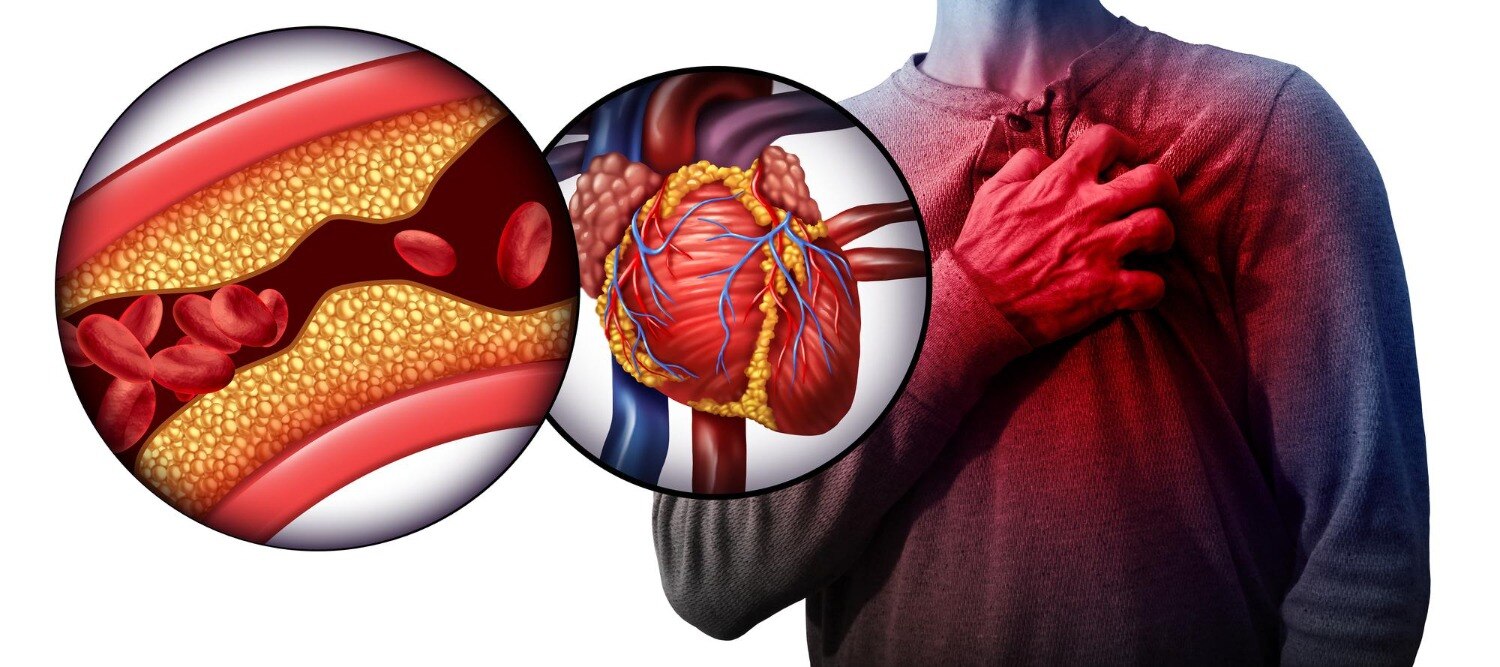
A blocked coronary artery usually contains atherosclerotic plaque within the artery wall. This material includes cholesterol, inflammatory cells, and calcium, so “blocked” often means narrowed rather than completely closed.
Partial narrowing leaves less room for blood to pass and can limit oxygen reaching the heart muscle during exertion. If the plaque ruptures, a clot can form on its surface and suddenly cause a complete or near-complete blockage, triggering a heart attack.
Severe coronary disease can exist without warning symptoms, especially in people with diabetes, older adults, and people who get little physical activity. Symptoms may first appear during a heart attack.
Treat new, severe, worsening, or persistent chest pressure, squeezing, or tightness as an emergency. Call emergency services immediately if it occurs with:
- Pain spreading to the arm, jaw, neck, back, or stomach
- Sudden breathlessness, cold sweating, nausea, or fainting
- Unusual exhaustion or marked weakness
- Breathlessness, nausea, back pain, or jaw discomfort without obvious chest pain, especially in women or people with diabetes
Do not wait to see whether rest or an antacid works. Call emergency services rather than waiting for a blocked artery doctor Belapur or driving yourself to a clinic. A suspected heart attack needs urgent assessment, not a routine appointment.
How Doctors Confirm Whether an Artery Is Actually Causing the Problem
Doctors confirm an artery is causing symptoms by matching your story and test results, not by reacting to the word “blockage” on a scan.
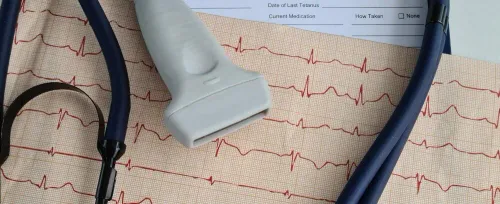
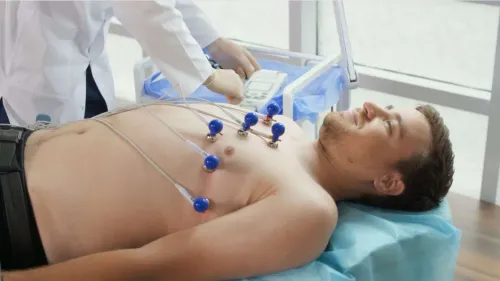
1. They begin with symptom timing, triggers, severity, and radiation, then record risk factors, blood pressure, pulse, and heart and lung findings. A 12-lead ECG is urgent when acute coronary syndrome is suspected: teams aim to record it within 10 minutes of first medical contact.
If the first tracing is nondiagnostic but suspicion remains, repeat ECGs are necessary; one normal ECG does not reliably exclude a heart attack.
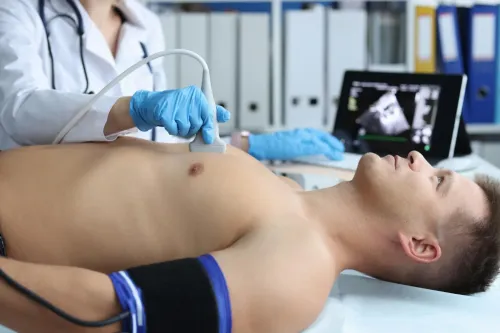
2. High-sensitivity troponin blood tests detect heart-muscle injury. Doctors interpret the result with repeat testing, symptom timing, and ECG changes rather than using one value alone. Echocardiography adds information by showing pumping function and areas of abnormal wall motion.
3. For stable, non-acute symptoms, clinicians combine risk assessment, examination, and ECG before choosing CT coronary angiography, stress testing, or another investigation. An abnormal ECG, calcium score, stress-test result, or symptom alone does not prove that a particular artery needs a stent.
Invasive coronary angiography shows the artery lumen after contrast injection, but an intermediate-looking narrowing may need pressure measurement. An FFR of 0.80 or less or an iFR of 0.89 or less commonly supports flow-limiting disease. This distinction matters when comparing blocked arteries treatment in Belapur: not every narrowing needs an invasive procedure.
What Happens During Coronary Angiography and the Decisions Around It
A clinician numbs the skin before guiding a thin catheter through an artery in your wrist or, when necessary, your groin. Iodinated contrast travels through the catheter while X-ray images show the coronary artery lumen. You remain awake, and the team monitors your heart rhythm, blood pressure, and symptoms.
A diagnostic angiogram does not automatically lead to a stent. If the anatomy is suitable and treatment is appropriate, balloon angioplasty and stent placement can sometimes happen during the same session.
| Finding | Possible decision | What determines it |
|---|---|---|
| Clear or non-flow-limiting narrowing | Medicines and follow-up | Symptoms, heart function, and overall risk |
| Intermediate narrowing | Pressure-based assessment | FFR of 0.80 or less or iFR of 0.89 or less commonly supports flow-limiting disease |
| Suitable focal narrowing | Angioplasty and stent | Expected blood-flow benefit and procedural risk |
Beforehand, ask which medicines to take, whether fasting is required, and how to manage antiplatelets, anticoagulants, or diabetes medicines. The team checks kidney function and asks about previous reactions to iodinated contrast.
Arrange transport and complete the advised observation period after catheter removal. Wrist access still requires monitoring for bleeding, swelling, or reduced hand circulation. Report enlarging swelling, persistent bleeding, severe chest pain, or sudden breathlessness promptly.
For heart blockage treatment in Navi Mumbai, interpret the result alongside symptoms, heart function, and whether treating the narrowing will improve blood flow.
Medicines, Angioplasty, or Bypass: How the Treatment Path Is Chosen
The choice depends on the number, length, and location of blockages; left-main disease; diabetes; heart-pumping function; symptoms despite medicines; kidney function; bleeding risk; and overall surgical risk.
| Option | What it means | When it may fit |
|---|---|---|
| Medicines | Treat plaque risk, angina, blood pressure, and diabetes | Stable symptoms or disease that does not require immediate revascularization |
| Angioplasty (PCI) | Opens a reachable narrowing with a balloon and stent | A suitable focal lesion causing flow-limiting symptoms |
| Bypass surgery (CABG) | Routes blood around blocked arteries using grafts | Complex multivessel or left-main disease, diabetes, reduced ventricular function, or when complete revascularization is more likely |
Medicines and lifestyle treatment remain central after PCI or CABG because a procedure does not remove the tendency to form plaque elsewhere. Prescriptions may include a statin, aspirin or another antiplatelet when indicated, beta blockers, an ACE inhibitor or ARB, nitrates for angina, and medicines for diabetes or blood pressure.
Never start or stop them without medical advice. Do not stop antiplatelets after a stent or change antiplatelet or anticoagulant treatment before surgery without instructions from the treating team.
A Heart Team with clinical, interventional, and surgical expertise can compare PCI with CABG, including long-term trade-offs and your preferences. If you search for a blocked arteries specialist near me, ask how the team assesses complete revascularization and surgical risk.
Cardiac rehabilitation after a heart attack, PCI, or CABG combines prescribed exercise, education, and risk-factor management. It is structured care, not simply advice to walk.
How to Choose Local Care for Blocked Arteries in Belapur and Navi Mumbai
Choose local care by asking whether the service can distinguish emergency symptoms from stable angina and an incidental scan finding. For suspected acute coronary syndrome, ask about prompt 12-lead ECG and high-sensitivity troponin assessment, echocardiography, appropriate coronary imaging, and a documented route to an interventional cardiologist or cardiac surgeon if PCI or CABG is needed.
| Situation | What the service should do | What the finding may lead to |
|---|---|---|
| Emergency symptoms | Arrange emergency assessment without a clinic delay | Urgent treatment after ECG, troponin, and examination |
| Stable angina | Assess symptoms, risk, and test results together | Medicines, CT coronary angiography, stress testing, or intervention |
| Incidental scan finding | Interpret the report alongside symptoms and clinical risk | Prevention, monitoring, or further testing rather than automatic stenting |
A search for blocked arteries specialist near me or heart blockage treatment in Navi Mumbai should lead to a care pathway, not just a blockage label. A general cardiologist, interventional cardiologist, or cardiac surgeon may be appropriate; not every narrowing needs an intervention.
Heart Fitt Cardiac Wellness Clinic can be a local starting point for evaluation and longer-term prevention in Belapur, Navi Mumbai, provided emergency symptoms go to emergency services first. Bring your scan, ECG, stress-test, blood-test, and medicine records, then ask:
- What finding explains my symptoms?
- Is the narrowing flow-limiting?
- What are the medicine, stent, and bypass options?
- What follow-up and cardiac rehabilitation plan will I receive?
Related services
Blocked Arteries Treatment Dr. Charan Reddy at Heart Fitt Cardiac Wellness Clinic, Belapur, Navi Mumbai, offers advanced and personalized treatment for blocked arteries to... View service → |
Coronary Artery Disease Treatment Coronary Artery Disease Treatment Dr. Charan Reddy at Heart Fitt Cardiac Wellness Clinic, Belapur, Navi Mumbai offers advanced and personalized treatment for Coronary Artery Disease. View service → |
Frequently asked questions
When does a blocked coronary artery become an emergency?
Chest pressure, breathlessness, cold sweating, nausea, fainting, or pain spreading to the arm, jaw, or back can signal a heart attack. Seek emergency care immediately rather than waiting for a clinic appointment.
How do doctors confirm whether a coronary artery blockage is causing symptoms?
Doctors combine your symptoms and examination with tests such as an electrocardiogram, blood tests for cardiac troponin, echocardiography, stress testing, CT coronary angiography, or invasive coronary angiography.
What happens during coronary angiography?
A cardiologist guides a thin catheter through an artery, injects contrast dye, and uses X-ray imaging to view coronary blood flow. The findings show the blockage’s location, length, and severity.
How do doctors choose between medicines, angioplasty, and bypass surgery?
The decision depends on symptoms, test results, the number and location of narrowed arteries, heart function, diabetes or kidney disease, and the expected benefit and risk of each option.
How should you choose care for blocked arteries in Belapur or Navi Mumbai?
Choose a service with cardiology assessment, appropriate diagnostic testing, emergency referral or response arrangements, clear treatment explanations, and follow-up for medicines and risk-factor control.
Related services
Angioplasty Treatment at HeartFitt Cardiac Wellness Clinic in Belapur, Navi Mumbai is expertly performed by Dr. Charan Reddy to restore healthy blood flow to the heart. View service → |
Angiography Treatment Angiography is a specialized diagnostic procedure used to evaluate blockages or narrowing in the heart’s blood vessels. View service → |
Bypass Surgery (CABG) Treatment Bypass Surgery (CABG) Treatment Coronary Artery Bypass Grafting (CABG) is a proven surgical procedure to restore healthy blood flow to the heart when coronary arteries are severely... View service → |
Keywords