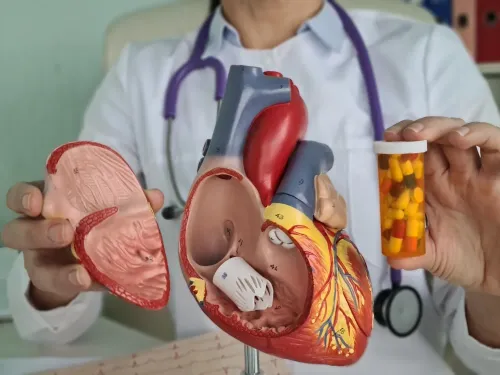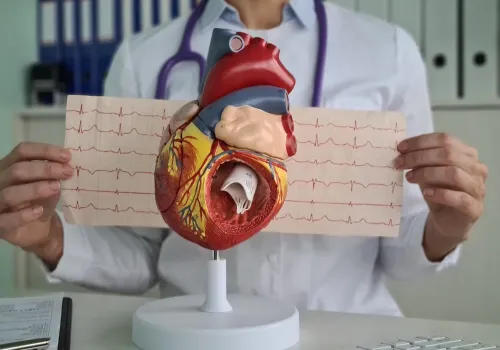
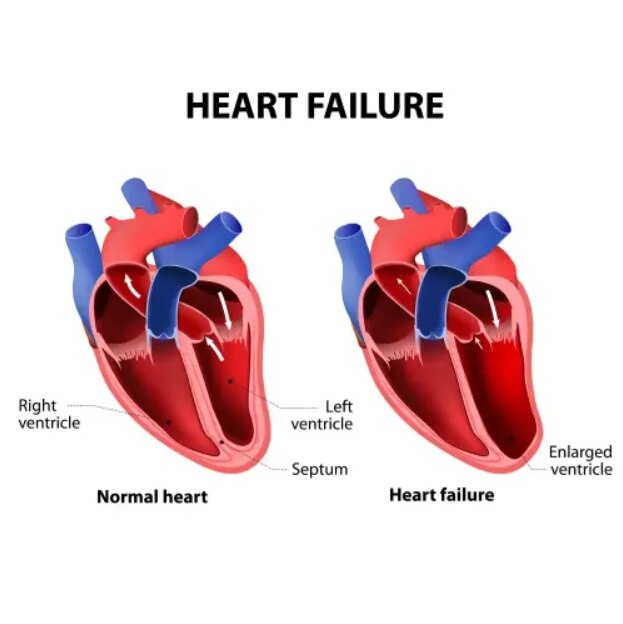
Heart failure treatment changes as the condition moves from risk factors without symptoms to fluid congestion, repeated hospital admissions, or advanced disease. By matching your stage, ejection-fraction category, symptoms, test results, and likely cause to the right level of care, you can prepare for a more useful discussion with a cardiac specialist.
Key takeaways
- Stage and NYHA class guide treatment intensity beyond ejection fraction.
- Ask which tests found the cause and whether your heart failure type is HFrEF, HFmrEF or HFpEF.
- Urgent symptoms such as severe breathlessness or fainting require hospital assessment.
- Choose a heart-failure team that provides diagnosis, medication review and follow-up care.
How Stage A to D and NYHA Class I to IV change treatment
Doctors use two systems: Stage A to D describes disease progression, while NYHA Class I to IV describes how symptoms limit activity. Together, they guide heart failure management more accurately than ejection fraction alone.
- Stage A: Hypertension, diabetes, coronary disease, obesity, or exposure to cardiotoxic medicines creates risk without structural heart disease or symptoms. Control these risks and prevent heart failure.
- Stage B: Structural disease, reduced ejection fraction, left-ventricular hypertrophy, valve disease, or abnormal cardiac biomarkers exists without symptoms. Treat the cause and prevent progression.
- Stage C: Current or previous symptoms are present. Treatment combines disease-modifying medicines, congestion control, rehabilitation, and monitoring.
- Stage D: Advanced heart failure causes daily-life symptoms despite treatment. Arrange an advanced-heart-failure assessment; supportive or palliative care may be appropriate.
NYHA Class I means no limitation during ordinary activity. Class II causes symptoms with ordinary activity, Class III with less-than-ordinary activity, and Class IV with symptoms at rest.
These systems are different: a person can have Stage C disease with NYHA Class II symptoms after treatment, then Class III during deterioration and Class I after improvement. The stage records the disease history; the class can change.
Seek emergency assessment for breathlessness at rest, inability to lie flat, fainting, confusion, chest pain, bluish lips, or rapidly increasing swelling. Do not wait for a routine appointment.
Which tests identify the type and cause of heart failure?
Breathlessness and leg swelling do not prove heart failure; lung disease, anaemia, kidney disease, or arrhythmia can cause similar symptoms. An echocardiogram shows the heart’s structure and pumping pattern. Doctors classify left-ventricular ejection fraction (LVEF) as follows:
| Type | LVEF | Meaning |
|---|---|---|
| HFrEF | 40% or less | Reduced pumping function |
| HFmrEF | 41–49% | Mildly reduced pumping function |
| HFpEF | 50% or more | Preserved pumping function |
Preserved LVEF does not rule out clinically important heart failure because filling pressure, stiffness, valve disease, or right-heart dysfunction can still impair circulation.
| Test | Question answered |
|---|---|
| Examination, blood pressure and oxygen saturation | Is fluid overload, poor circulation, low oxygen, or another illness present? |
| ECG | Is there atrial fibrillation or another rhythm problem, or evidence of a previous infarction? |
| Chest X-ray | Is there lung congestion, or a lung condition causing symptoms? |
| BNP or NT-proBNP | Is heart failure more or less likely when diagnosis is uncertain? |
| Blood tests | Are kidney function, electrolytes, thyroid disease, anaemia, diabetes, or infection contributing? |
Echocardiography measures LVEF, chamber size, filling pressures, right-heart function, and valve disease. A Holter monitor catches intermittent arrhythmia; stress testing looks for inducible ischaemia; coronary angiography assesses suspected obstructive coronary artery disease; cardiac MRI investigates myocarditis, scar, or cardiomyopathy.
A cardiologist for heart failure investigates uncontrolled hypertension, alcohol exposure, diabetes, thyroid disease, infection, and medication-related causes. Sudden severe breathlessness, low oxygen, chest pain, fainting, confusion, or rapidly worsening swelling needs emergency assessment; stable results usually require routine testing and follow-up.
How medicines differ across HFrEF, HFmrEF, and HFpEF
An ejection fraction changes the medication strategy; it does not make every heart-failure drug interchangeable. The commonly used categories are:
| Type | Main treatment choice | Key purpose |
|---|---|---|
| HFrEF, 40% or less | ARNI such as sacubitril/valsartan, or ACE inhibitor/ARB when appropriate; evidence-based beta blocker; mineralocorticoid-receptor antagonist; SGLT2 inhibitor | Four disease-modifying groups, including SGLT2 inhibitors for people without diabetes |
| HFmrEF, 41–49% | SGLT2 inhibitor plus treatment of congestion and coexisting disease | Reduce hospitalisation risk and control the drivers of failure |
| HFpEF, 50% or more | SGLT2 inhibitor when appropriate, diuretic for congestion, and active treatment of coexisting disease | Preserve function, reduce hospitalisation risk, and control symptoms |
Doctors introduce HFrEF medicines in stages and increase doses while checking blood pressure, pulse, kidney function, potassium, and symptoms. An ACE inhibitor must be stopped for 36 hours before starting sacubitril/valsartan; never combine them or stop a beta blocker abruptly without medical advice.
HFmrEF and HFpEF care also targets hypertension, atrial fibrillation, coronary disease, obesity, diabetes, kidney disease, sleep apnoea, and valve disease. A loop diuretic removes excess fluid and eases swelling or breathlessness, but it does not replace drugs that improve long-term outcomes.
Track weight and symptoms when advised. Stopping every medicine once swelling improves can allow fluid congestion to return. Mineralocorticoid-receptor antagonists require an eGFR above 30 mL/min/1.73 m² and potassium below 5.0 mmol/L, with repeat testing after starting or changing the dose.
This framework helps you compare heart failure treatment for options in Navi Mumbai without assuming one prescription suits every type.
When treatment moves from clinic medicines to hospital or advanced care
A hospital review is needed when outpatient treatment no longer controls congestion or a new problem is driving deterioration. Intravenous loop diuretics can remove fluid faster than tablets, while clinicians monitor urine output, blood pressure, electrolytes, kidney function, and oxygen levels.
Admission is considered for:
- Severe congestion, breathlessness at rest, low oxygen, or respiratory distress
- Rapidly increasing weight or swelling
- Worsening kidney function
- Myocardial infarction, arrhythmia, infection, uncontrolled hypertension, valve disease, or missed medicines
Oxygen is used when oxygenation is inadequate; non-invasive ventilation may support selected patients with respiratory distress. Inotropes are reserved for shock or inadequate organ perfusion and require specialist monitoring because they can cause dangerous arrhythmias and increase cardiac workload.
An implantable cardioverter-defibrillator or cardiac resynchronisation therapy is not an automatic response to a heart-failure diagnosis. Assessment depends on ejection fraction, QRS duration and morphology, heart rhythm, symptoms, expected survival, and response to appropriate medical therapy.
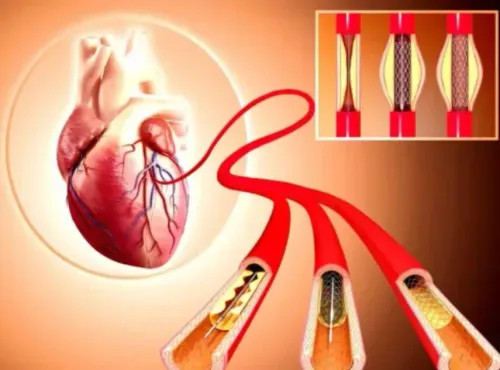
Coronary disease may require angioplasty or bypass assessment, while valve disease may require repair or replacement when it drives the failure.
Seek an advanced-heart-failure referral for persistent severe symptoms, repeated admissions, worsening kidney or liver function, blood pressure too low for essential medicines, or dependence on intravenous inotropes. Early assessment can preserve options such as mechanical circulatory support or transplantation.
Palliative care adds active relief of breathlessness, pain, anxiety, and treatment burden at any stage. When invasive treatment no longer matches your wishes, it supports comfort and shared goals; it does not mean abandoning care.
How to choose heart-failure care in Belapur and Navi Mumbai
Choose local care by checking capabilities, not location alone. For heart failure care in Belapur, ask whether the service can arrange ECG, echocardiography with a documented ejection fraction, BNP or NT-proBNP when appropriate, kidney-function and electrolyte testing, medication titration, rhythm assessment, and rapid hospital referral.
| Care situation | Appropriate pathway | Escalation |
|---|---|---|
| Stable Stage B or C | Cardiologist-led review and monitoring | Refer if symptoms, tests, or treatment response worsen |
| Complex rhythm or coronary disease | Cardiologist with specialist input | Electrophysiologist or interventional cardiologist |
| Kidney disease, valve disease, or advanced symptoms | Coordinated specialist care | Nephrologist, cardiac surgeon, or advanced-heart-failure team |
A heart failure doctor in Navi Mumbai may coordinate this pathway. Heart Fitt Cardiac Wellness Clinic is one local option to evaluate against these concrete capabilities, not a substitute for emergency hospital care.
Take these questions to your appointment:
- Which Stage and NYHA class apply?
- What is my ejection fraction, and what caused the failure?
- Which medicines improve prognosis, and which only remove fluid?
- When should blood tests be repeated?
- What weight or symptom change should trigger a call?
Take prescribed medicines consistently. Avoid over-the-counter NSAID painkillers unless approved, stay physically active within advised limits, and ask before restricting sodium or fluids; strict fluid restriction does not suit every stable patient.
Related service
Heart Failure Treatment At Heart Fitt Cardiac Wellness Clinic, Dr. Charan Reddy offers advanced and compassionate care for heart failure. View service → |
Frequently asked questions
How do Stage A to D and NYHA Class I to IV affect heart failure treatment?
Stages A to D track disease progression, while NYHA Classes I to IV measure activity limitation. Doctors combine both systems to guide prevention, medicines, monitoring and advanced care.
Which tests identify the type and cause of heart failure?
Evaluation can include an echocardiogram, electrocardiogram, blood tests such as BNP or NT-proBNP, chest imaging, kidney and thyroid tests, and additional testing when the cause remains unclear.
How do medicines differ across HFrEF, HFmrEF and HFpEF?
HFrEF treatment focuses on several disease-modifying medicine groups. HFmrEF may use overlapping treatment, while HFpEF care prioritises congestion relief, blood-pressure and risk-factor control, and treatment of related conditions.
When does heart failure treatment require hospital or advanced care?
Hospital care is needed for severe breathlessness, low blood pressure, fainting, fluid overload or rapidly worsening symptoms. Advanced care is considered when symptoms persist despite specialist treatment.
How should you choose heart-failure care in Belapur and Navi Mumbai?
Look for a cardiology service that can investigate the cause, classify heart failure, adjust medicines safely, monitor kidney function and electrolytes, and arrange hospital referral when needed.
Keywords