
Chest pressure, breathlessness, sweating, nausea, fainting or pain spreading to the arm, jaw, back or shoulder needs emergency action, not a routine appointment. You will learn how to recognise the danger, what happens from the first ECG through treatment, which facility to choose, and what care continues after discharge.
Key takeaways
- Call 112 for persistent chest pressure, squeezing, or pain.
- Use an ambulance instead of driving the patient to hospital.
- Expect an ECG and blood tests during the first emergency assessment.
- Ask how discharge medicines, follow-up, and cardiac rehabilitation will be managed.
How do you recognise a heart attack and act before help arrives?
Call 112 immediately for chest pressure, squeezing, or pain lasting more than a few minutes. Do not drive the person yourself; use an ambulance.
1. Recognise the warning signs: pain spreading to the arm, shoulder, back, neck, or jaw; breathlessness; cold sweating; nausea; unusual weakness; or fainting. A heart attack can occur without dramatic chest pain.
2. Look for less typical symptoms in women, older adults, and people with diabetes. Breathlessness, unusual fatigue, nausea, or upper-back discomfort may be the main warning signs.
3. Keep the person seated and still while help travels. Unlock the door, gather current medicines and medical records, and give no food or water.
4. For an alert adult with suspected heart attack, chew 150–300 mg aspirin only when a clinician or emergency dispatcher advises it. Do not give aspirin after a serious allergy, active bleeding, or a doctor’s instruction not to take it.
5. If symptoms improve after rest or an antacid, continue seeking emergency care. Improvement does not rule out an infarction, and waiting can delay treatment.
6. Treat collapse differently: unresponsiveness and absent normal breathing indicate possible cardiac arrest. Start chest compressions, send someone for an automated external defibrillator, and follow its voice prompts. This requires immediate resuscitation, not a cardiology appointment.
Fast action is central to heart attack care in Navi Mumbai, as it is anywhere.
What happens during the first assessment at emergency care?
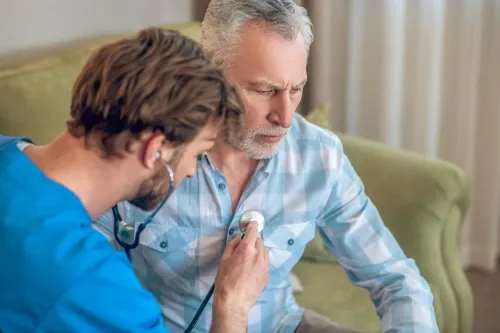
Triage starts the hospital assessment: staff identify possible acute coronary syndrome, record vital signs and oxygen saturation, attach continuous cardiac monitoring, establish intravenous access, and involve cardiology immediately. A reliable cardiac emergency treatment Belapur pathway also checks blood glucose and kidney function, which affect medication and contrast decisions.
The 12-lead ECG should be acquired and interpreted within 10 minutes of first medical contact. If pain continues, the first tracing is nondiagnostic, or the clinical picture changes, clinicians repeat ECGs because a developing or intermittently blocked artery can produce later or temporary changes. A normal first ECG does not safely exclude infarction.
Blood samples include high-sensitivity cardiac troponin at baseline and again after about 1–2 hours or 2–3 hours, depending on the assay and local protocol. One elevated result shows heart-muscle injury, not automatically an acute coronary blockage.
Clinicians combine the symptom pattern, ECG findings, and troponin rise or fall over time to decide whether an acute infarction is present.
Unstable chest pain requires continuous observation, repeat assessment, and rapid treatment decisions. A treadmill test is inappropriate during an unstable acute presentation: exercise can worsen ischaemia and delay emergency care. The patient needs monitored hospital evaluation, not an outpatient diagnostic package.
How is the treatment decision made after the ECG and blood tests?
The ECG pattern, troponin results, symptoms and stability determine the next move. This classification drives heart attack treatment in Navi Mumbai, including urgency, medicines and whether you need immediate transfer to a PCI-capable hospital.
STEMI means an ECG shows ST-segment elevation consistent with an acutely blocked coronary artery. NSTEMI means troponin confirms heart-muscle injury without the persistent ST elevation pattern. Unstable angina causes new, worsening or rest chest pain without troponin evidence of infarction.
Both NSTEMI and unstable angina need hospital observation and cardiology assessment; NSTEMI usually requires an earlier invasive strategy than unstable angina.
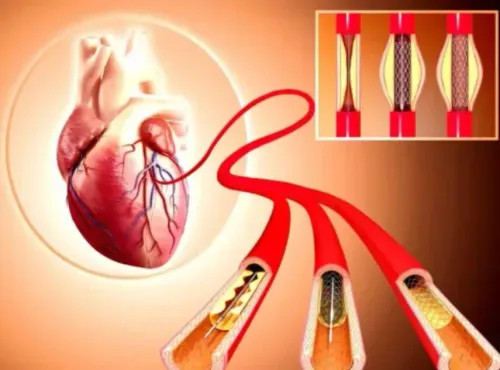
- STEMI: Start aspirin and indicated antithrombotic treatment, then arrange primary PCI—angioplasty with stenting when appropriate. The system goal is treatment within the applicable guideline window, generally within 120 minutes of STEMI diagnosis or first medical contact.
- STEMI without timely PCI: Fibrinolysis can be considered for an eligible occlusive STEMI when symptoms began within 12 hours and no contraindication exists. Major bleeding, including intracranial haemorrhage, is the key danger.
- After fibrinolysis: Transfer to a PCI-capable hospital for angiography. Failed reperfusion or continuing ischaemia requires rescue PCI.
- Any acute coronary syndrome: Give oxygen for hypoxaemia, such as saturation below 90%, or respiratory distress—not routinely when oxygen levels are normal. Treat dangerous arrhythmias, low blood pressure and shock immediately.
NSTEMI or unstable angina can still require urgent angiography when pain continues, ECG changes recur or the patient becomes unstable. A normal oxygen reading does not make those risks disappear.
How do you choose the right heart attack service in Belapur or Navi Mumbai?
Choose a receiving hospital, not merely a doctor’s appointment. Cardiac emergency treatment in Belapur must include a 24-hour emergency department, immediate 12-lead ECG and troponin testing, continuous monitoring, resuscitation equipment, intravenous treatment, cardiology review and cardiac intensive-care support.
| Service | What it must provide | Why it matters |
|---|---|---|
| Hospital with PCI laboratory | On-site catheterisation laboratory and emergency team | Enables immediate angioplasty and stenting |
| Hospital with transfer pathway | Rapid transfer agreement with a PCI-capable hospital | Prevents delay when PCI is unavailable locally |
| Cardiac clinic or diagnostic centre | Specialist review, risk assessment, medication review and follow-up | Useful after stabilisation, not for suspected acute infarction |
| Scheduled diagnostic package | Echocardiogram or treadmill appointment | Cannot replace myocardial-infarction emergency care |
If you search for a heart attack doctor in Belapur, verify the receiving hospital’s emergency and PCI capability rather than relying on consultation availability. Ask these questions before choosing a service:
- Is ECG acquisition and interpretation available within 10 minutes of arrival?
- Where is an unstable patient transferred?
- Can the team arrange immediate PCI or assess eligibility for fibrinolysis?
- Does the hospital provide continuous monitoring and cardiac intensive-care support?
Heart Fitt Cardiac Wellness Clinic can support specialist review, risk assessment, medication review and follow-up, but suspected acute infarction belongs in a hospital emergency pathway. A treadmill test is unsafe during unstable chest pain, and a scheduled echocardiogram cannot provide resuscitation, reperfusion or rapid transfer.
Related services
Heart Attack Treatment Dr. Charan Reddy provides prompt and advanced heart attack treatment at Heart Fitt Cardiac Wellness Clinic, Belapur, Navi Mumbai. View service → |
Cardiac Arrest Emergency Treatment Cardiac Arrest Emergency Treatment at Heart Fitt Cardiac Wellness Clinic, Belapur, Navi Mumbai, under the expert care of Dr. Charan Reddy, focuses on rapid, life-saving intervention. View service → |
What does heart attack care cover after discharge?
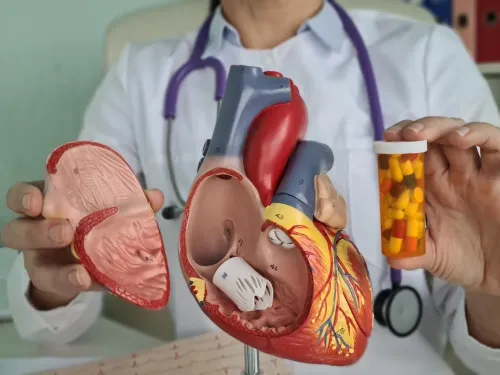
Discharge should come with a documented follow-up plan, not only a prescription. Medication reconciliation confirms what you were taking before admission, what changed, and how each medicine is taken. Treatment commonly includes antiplatelet medicine, a high-intensity statin and, when clinically suitable, a beta blocker, ACE inhibitor or ARB.
Never stop antiplatelet medicine independently, especially after stent placement. Dual antiplatelet therapy is often planned for about 12 months, but the duration changes with bleeding risk, anticoagulation, stent use and whether the infarction was treated with angioplasty, surgery or medicines.
Your continuing review should cover:
- Left-ventricular function, including whether an echocardiogram is needed
- Blood pressure and a documented target
- LDL cholesterol and the response to statin treatment
- Diabetes screening or control
- Kidney disease and medicine safety
- Smoking cessation, weight and diet
- Activity levels and adherence to every prescribed medicine
Choose supervised, individualised cardiac rehabilitation instead of restarting strenuous exercise alone. The programme matches activity to heart function, symptoms and fitness, reducing the risk of doing too much too soon.
A stent opens one blockage; it does not remove long-term risk. Effective heart attack treatment in Navi Mumbai and heart attack care in Navi Mumbai should record review dates, prevention targets and the action to take if chest pressure, breathlessness, sweating or faintness returns. Recurrent symptoms require emergency assessment, not a routine appointment.
Frequently asked questions
What should you do if you recognise a possible heart attack?
Call 112 immediately for chest pressure, squeezing, or pain lasting more than a few minutes. Keep the person resting and use an ambulance rather than driving them yourself.
What happens during the first assessment for a suspected heart attack?
Emergency staff check vital signs, take a medical history, perform an ECG, and order blood tests such as cardiac troponin while assessing the symptoms.
How is heart attack treatment chosen after the ECG and blood tests?
Doctors combine the ECG pattern, troponin results, symptoms, examination findings, and overall risk to decide whether the patient needs urgent vessel-opening treatment, medicines, or further testing.
What does heart attack care include after discharge?
After discharge, care includes prescribed medicines, follow-up with a cardiologist, management of blood pressure and cholesterol, lifestyle changes, and cardiac rehabilitation when advised.
Related service
Angioplasty Treatment at HeartFitt Cardiac Wellness Clinic in Belapur, Navi Mumbai is expertly performed by Dr. Charan Reddy to restore healthy blood flow to the heart. View service → |
Keywords