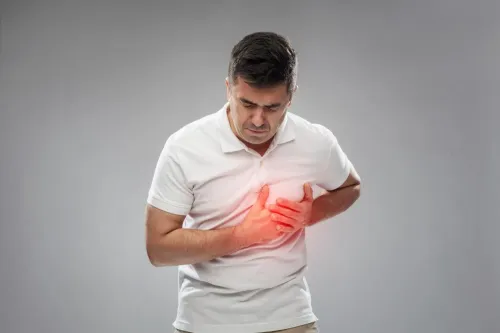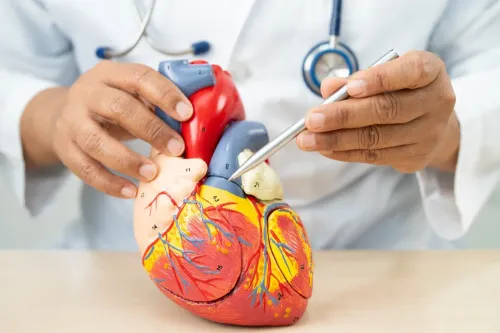

A blood pressure reading below 90/60 mmHg is not automatically dangerous, but dizziness, fainting, confusion, weakness or breathlessness changes the picture. You will learn how to confirm a low reading, recognise emergencies, understand cause-specific treatment, and decide whether you need urgent care, a prescribing doctor or a planned specialist assessment.
Key takeaways
- A reading below 90/60 mmHg matters most when symptoms are present.
- Fainting, confusion, breathlessness or chest pain needs urgent medical attention.
- Treatment depends on whether dehydration, medicines, heart disease or another cause is responsible.
- Track readings, symptoms, medicines and fluid intake before your appointment.
When Is Low Blood Pressure a Medical Problem?
A blood pressure below about 90/60 mmHg is not automatically dangerous. It may be normal for you when you feel well, but a new low reading with dizziness, fainting, weakness, confusion, blurred vision or breathlessness needs medical assessment.
| Reading pattern | More likely explanation | What to do |
|---|---|---|
| Naturally low | Repeated readings below 90/60 mmHg without symptoms, especially if this is your usual result | Record it and discuss it at a routine visit |
| Inaccurate measurement | One unexpected result, particularly after talking, moving, using the wrong cuff size, or supporting the arm below heart level | Rest five minutes and repeat with your back supported, feet flat and arm at heart level |
| Clinically important hypotension | A persistent fall, symptoms, or a drop after standing; a previously normal reading that becomes low is important | Seek clinical evaluation for causes such as dehydration, blood loss, medicines, infection or heart disease |
For suspected postural hypotension, measure after resting flat, then again within three minutes of standing. A fall of at least 20 mmHg systolic or 10 mmHg diastolic supports the diagnosis; a seated reading alone can miss it.
- Record the reading, pulse, symptoms, recent food and fluids, heat exposure, and medicines.
- Seek urgent care for fainting, confusion, cold or clammy skin, severe weakness, breathlessness, or persistent low pressure.
Which Symptoms and Causes Require Urgent Action?
Call emergency services on 112 in India if low blood pressure comes with fainting, confusion, cold clammy skin, severe weakness, chest pain, severe breathlessness, a fast or irregular heartbeat, heavy bleeding, or collapse. These signs can indicate shock, sepsis, dangerous heart disease, or severe blood loss.
| Cause | Clues that point toward it | Action |
|---|---|---|
| Dehydration | Thirst, dry mouth, dark urine, vomiting, diarrhoea, fever, or heat exposure | Seek urgent care if you cannot drink, keep vomiting, or feel faint; severe dehydration needs monitored intravenous fluids. |
| Bleeding or anaemia | Black stools, vomiting blood, heavy menstrual bleeding, injury, pallor, fatigue, or breathlessness | Use emergency services for ongoing bleeding, fainting, or marked weakness. |
| Infection or sepsis | Fever or unusually low temperature, chills, rapid breathing, confusion, or worsening weakness | Go to emergency care immediately, especially with fainting or clammy skin. |
| Medication effect | Symptoms after starting or increasing a diuretic, nitrate, antihypertensive, sedative, or antidepressant | Contact the prescriber promptly; do not stop essential medicine without advice. |
| Heart disease | Chest pressure, breathlessness, ankle swelling, palpitations, or fainting during exertion | Use emergency services for chest pain, severe breathlessness, or sudden collapse. |
| Endocrine illness | Weight loss, persistent weakness, nausea, abdominal pain, skin darkening, or confusion | Suspected adrenal crisis requires emergency hydrocortisone and intravenous fluids. |
| Autonomic dysfunction or pregnancy | Episodes after standing, meals, or heat; pregnancy with dizziness, bleeding, or abdominal pain | Book clinical assessment; seek emergency care for collapse or pregnancy-related bleeding. |
If symptoms are recurrent but settle quickly, arrange a prompt clinic visit rather than treating every reading with extra salt or fluid. Large fluid or salt increases are unsafe with heart, kidney, or liver disease.
How Treatment Changes With the Cause
Treatment follows the mechanism, not the blood-pressure number alone. A clinician first decides whether the problem is fluid loss, a drug effect, impaired autonomic control, pregnancy, infection, hormone deficiency or heart disease.
- Volume loss from vomiting, diarrhoea, heat, anaemia or bleeding may require oral rehydration for mild dehydration, intravenous crystalloid fluids for significant loss, iron for confirmed iron deficiency, or urgent blood-loss treatment. Suspected bleeding needs prompt medical assessment.
- Medication-related hypotension requires a prescriber to review diuretics, nitrates, alpha-blockers, sedatives, antidepressants and Parkinson’s medicines. Do not abruptly stop an essential medicine or start a blood-pressure-raising drug yourself.
- Orthostatic hypotension is managed with slow position changes, sitting or lying down during symptoms, adequate individualized fluids, counter-pressure manoeuvres and waist-high compression garments. Persistent cases need evaluation for autonomic nerve dysfunction and supervised medication.
- During pregnancy, clinicians check hydration, anaemia, bleeding and other pregnancy-related causes before recommending treatment.
- Adrenal insufficiency or thyroid disease requires hormone testing and cause-specific replacement, not extra salt alone.
- Infection with persistent low pressure can be sepsis. It may require cultures, prompt antimicrobials, intravenous crystalloid fluids and vasopressors in hospital.
- Arrhythmia, valve disease or heart failure needs cardiac treatment; excess fluid can worsen heart failure.
This is why low blood pressure treatment in Navi Mumbai or hypotension treatment Belapur should be guided by an examination. One home remedy suits nobody: extra salt or fluids could help one cause and worsen heart, kidney or pregnancy-related problems in another.
What a Low Blood Pressure Specialist May Check
A low blood pressure specialist starts with the pattern, not a single reading: when symptoms began, whether they follow standing, meals, heat, illness or a new medicine, and whether you fainted, bled, had diarrhoea, became pregnant or developed palpitations.
Tell the doctor about diuretics, antihypertensives, nitrates, sedatives and antidepressants, plus thyroid, adrenal, heart and nerve disorders.
At the appointment, bring:
- A three- to seven-day BP log showing readings after five minutes of rest and after standing, with pulse and symptoms
- The exact names, doses and timing of every medicine, supplement and recent dose change
- Previous ECGs, blood reports, echocardiograms, discharge papers and pregnancy records, when relevant
- A short timeline of fainting, dizziness, vomiting, diarrhoea, bleeding, fever, reduced fluids or palpitations
The low BP doctor in Navi Mumbai may repeat lying and standing blood pressures, assess pulse and hydration, look for pallor, listen to the heart and lungs, and perform a neurological examination. A 12-lead ECG is common after fainting or with palpitations; a normal tracing does not exclude intermittent arrhythmia.
Depending on the findings, tests may include a complete blood count, electrolytes, glucose, kidney function, thyroid or adrenal tests, pregnancy testing, infection tests, ambulatory rhythm monitoring or echocardiography.
Heart Fitt Cardiac Wellness Clinic can help coordinate cardiac assessment when the pattern suggests arrhythmia or structural heart disease, while anaemia, infection, pregnancy and endocrine causes require the appropriate clinician and tests.
Related service
Low Blood Pressure Treatment At Heart Fitt Cardiac Wellness Clinic, Dr. Charan Reddy provides expert care for patients suffering from low blood pressure (hypotension). View service → |
How to Monitor Low BP and Choose the Right Next Step
Use a validated upper-arm monitor; wrist devices are less reliable. Rest quietly for five minutes with your feet flat and arm supported at heart level. Take two readings one minute apart and record both. For suspected postural symptoms, measure after resting supine, then again at one and three minutes after standing.
A fall of 20 mmHg systolic or 10 mmHg diastolic within three minutes supports orthostatic hypotension.
Record the date, time, position, pulse, symptoms, recent food and fluids, heat exposure, exercise, and every medicine dose. Note whether dizziness followed standing, a meal, hot weather, or a newly started or changed medicine.
During an episode:
- Sit or lie down immediately; rise slowly only after symptoms settle.
- Move to a cool place after heat exposure. Drink fluids if a clinician has not restricted your intake.
- Do not stop a prescribed medicine or start salt tablets without medical advice. Contact the prescriber about a new medicine.
| Route | Choose it when | What to do now |
|---|---|---|
| Emergency department | Chest pain, breathlessness, fainting, confusion, severe bleeding, black stools, cold clammy skin, or a very fast or irregular pulse | Call emergency services; do not drive yourself |
| Prescribing doctor | Episodes began after a medicine change or occur repeatedly without emergency symptoms | Send the readings and medication list; ask for a supervised review |
| Low bp clinic in navi mumbai | Symptoms recur, the cause is unclear, or standing and seated readings differ | Book assessment and bring your BP log, pulse readings, and medicine packets |
Frequently asked questions
When is low blood pressure a medical problem?
Low blood pressure becomes concerning when a reading below about 90/60 mmHg is new or causes dizziness, fainting, weakness, confusion, blurred vision or breathlessness.
Which low blood pressure symptoms require urgent action?
Seek urgent medical care for fainting, confusion, severe weakness, breathlessness, chest pain, cold clammy skin or signs of shock, especially after bleeding, infection or an injury.
How does low blood pressure treatment change with the cause?
Treatment targets the cause: fluids for dehydration, medicine review for drug-related hypotension, and specific cardiac or endocrine treatment when an underlying condition is found.
What does a low blood pressure specialist check?
A specialist reviews your readings, symptoms, medicines, fluid intake and medical history, then may check blood pressure lying and standing, heart rhythm, blood tests and heart function.
How should you monitor low blood pressure at home?
Record readings with the time, position, symptoms, medicines and recent meals or fluids. Arrange a low BP doctor visit in Navi Mumbai when readings stay low or symptoms recur.
Keywords