
Severe coronary blockages do not automatically mean that bypass surgery is the right treatment. You will learn which findings favour CABG, how doctors compare it with angioplasty and medicines, what the operation and recovery involve, and what to verify before choosing care in Belapur or Navi Mumbai.
Key takeaways
- Multiple blocked vessels or complex lesions can make CABG safer than stents.
- Compare CABG with stents and medicines using anatomy, symptoms, diabetes, and surgical risk.
- Ask about preoperative tests, hospital stay, complications, and the recovery plan.
- Check the surgeon’s experience, hospital ICU support, and follow-up arrangements in Belapur.
When severe blockages make CABG more likely
CABG becomes more likely when disease threatens a large amount of heart muscle or cannot be treated reliably with stents. Doctors judge severity by the percentage narrowing, the number of affected vessels, and each lesion’s location and complexity—not by one angiogram percentage.
| Pattern | Why CABG may be favoured |
|---|---|
| Left-main disease | Supplies much of the heart; surgery is often preferred when risk is acceptable |
| Three-vessel disease | Several territories need durable blood flow, especially with complex or high-SYNTAX anatomy |
| Diabetes with multivessel disease involving the LAD | CABG generally reduces repeat revascularization in suitable surgical candidates |
| Reduced left-ventricular pumping function | Bypass may improve blood supply to weakened heart muscle |
| Diffuse or heavily calcified lesions | Stents may not expand fully or provide complete coverage |
| Failed angioplasty or recurrent blockage after stenting | A graft can route blood around a repeatedly obstructed segment |
Severe symptoms or objective ischemia strengthen the case, while mild symptoms without ischemia may support medicines or further testing. Kidney disease, older age, frailty, lung disease, prior stroke, diabetes, urgency, and overall surgical risk can shift the balance toward PCI or medicines, or make surgery unsafe.
A Heart Team should review the anatomy and risk before deciding on bypass surgery treatment in Belapur.
New or worsening chest pressure, breathlessness, sweating, nausea, fainting, or pain spreading to the arm, jaw, or back requires emergency medical services immediately, not a routine bypass consultation.
How doctors choose between CABG, stents, and medicines
The choice depends on anatomy, symptoms, heart function, and operative risk—not the word “severe” on an angiogram report. Coronary angiography maps each narrowing, its location, and suitable graft targets. CT coronary angiography can provide an anatomical overview in suitable patients, while echocardiography measures left-ventricular pumping function.
Stress testing shows inducible ischemia, but it does not replace angiography when surgeons need a detailed grafting plan.
The team also weighs:
- Chest pain or breathlessness, diabetes, kidney function, frailty, age, prior procedures, and overall surgical risk.
- Diabetes with multivessel disease involving the LAD, high-complexity or diffuse disease, left-main disease, and a high SYNTAX score, which can favour CABG for a suitable surgical candidate.
- Whether symptoms or ischemia justify revascularization at all. Medicines alone may be appropriate when symptoms are controlled, ischemia is limited, anatomy is unsuitable for intervention, or surgical risk outweighs expected benefit.
| Option | Main advantage | Main limitation or usual role |
|---|---|---|
| PCI with stenting | No chest incision and shorter initial recovery | Repeat treatment is more likely in some complex multivessel or diabetic disease |
| CABG | More durable revascularization for selected complex multivessel or left-main disease | Major surgery, chest incision, and longer recovery |
| Medicines alone | Avoids procedural and surgical risk | Does not restore blood flow through a critical narrowing |
When the best strategy is unclear, ask for a Heart Team review involving an interventional cardiologist and cardiac surgeon. A search for CABG surgery Belapur should lead to that clinical discussion, not a decision based on location alone.
What happens before and during a bypass operation
Consent follows a review of your angiogram, symptoms, heart function, and operative risk. Before heart bypass surgery in Navi Mumbai, the team completes a practical safety checklist:
- Review every medicine. The surgical team must direct changes to aspirin, clopidogrel, ticagrelor, diabetes medicines, and anticoagulants. Do not stop any of them independently.
- Check a complete blood count, blood group, clotting tests, electrolytes, and other blood tests, including kidney-function tests such as creatinine and estimated glomerular filtration rate.
- Perform an ECG, echocardiogram, and chest imaging. The team may add lung-function or carotid testing when your history requires it.
- Complete an anaesthesia assessment, plus a dental and infection review. Treating an active infection or serious dental problem before surgery can reduce complications.
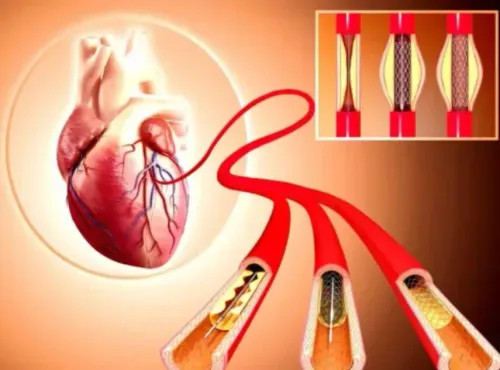
CABG usually begins with general anaesthesia and an incision through the breastbone. The surgeon takes a graft, often the internal mammary artery or saphenous vein, and attaches it to create a route around a blocked coronary segment. One patient may receive one graft; another may receive several.
The number reflects target vessels and usable grafts, not the blockage percentage.
| Approach | What happens | Key point |
|---|---|---|
| On-pump CABG | A heart-lung machine circulates blood while the heart is temporarily stopped. | Commonly supports complex grafting. |
| Off-pump CABG | The surgeon grafts while the heart continues beating. | Selected cases only; it is not automatically safer or better. |
Hospital stay, risks, and the recovery timeline
After CABG, expect intensive-care monitoring rather than an immediate return to a ward. The ventilator is removed when you are awake and breathing adequately; chest drains and a urinary catheter remain until drainage and urine output are satisfactory.
1. In intensive care, the team monitors heart rhythm, blood pressure, oxygen levels, bleeding, kidney function, and pain. Nurses provide pain relief, coughing support, breathing exercises, and assisted sitting and walking.
2. After the breathing tube, drains, and catheter are removed, you usually transfer to a ward. An uncomplicated stay is about 5–7 days, but complications, emergency surgery, or other illness can extend it.
3. At home, keep the breastbone and graft-harvest wounds clean and dry, and report increasing redness, discharge, fever, wound separation, or worsening pain. Follow the surgeon’s specific limits on driving and lifting; plan work in stages with the surgical team, because sleep disruption, low energy, and reduced concentration can persist for weeks.
4. Fuller recovery commonly takes about 6–12 weeks. Arrange cardiac rehabilitation before discharge or soon afterward; it combines supervised activity, education, medication support, and management of blood pressure, cholesterol, diabetes, diet, weight, and smoking.
5. Discuss bleeding or transfusion, infection, atrial fibrillation, kidney injury, stroke, heart attack, graft failure, prolonged ventilation, reoperation, and death. Risk changes with age, urgency, frailty, kidney or lung disease, diabetes, and previous stroke. The Society of Thoracic Surgeons calculator estimates risk, but cannot replace an individualized surgical assessment.
CABG does not remove atherosclerosis. Continue prescribed antiplatelet and cholesterol treatment, control blood pressure and diabetes, avoid tobacco, exercise safely, and attend rehabilitation.
How to evaluate CABG care in Belapur before you decide
A location is not evidence of surgical capability. For bypass surgery treatment in Belapur, CABG surgery Belapur options, or heart bypass surgery in Navi Mumbai, verify the operating team and hospital before choosing.
| Check | What to verify | Warning sign |
|---|---|---|
| Surgeon | Named cardiac or cardiothoracic surgeon with appropriate training | Clinic cannot identify the operator |
| Hospital | Round-the-clock cardiac intensive care, cardiac anaesthesia, blood bank, and emergency reoperation capability | Surgery is arranged without 24-hour backup |
| Team review | Interventional cardiologist and cardiac surgeon assess the case together | One specialist decides without a Heart Team discussion |
| Outcomes | Individual risk estimate, complication data, mortality data, and expected waiting time | Only broad success claims are provided |
Ask for the proposed graft plan: which coronary vessels need grafts, which graft conduits are planned, and why. Confirm who provides cardiac anaesthesia, who leads intensive-care treatment, and where the operation and recovery will occur.
A “bypass surgeon near me” search is a starting point, not a qualification. Ask how bleeding, kidney injury, stroke, infection, rhythm problems, graft failure, or a need for emergency reoperation would be managed.
Confirm who will review you after discharge, how wound and medication checks are arranged, and when cardiac rehabilitation begins. Rehabilitation should include supervised exercise, education, medication support, and risk-factor management.
Heart Fitt Cardiac Wellness Clinic can be part of the local consultation pathway, but verify the surgeon, hospital, team, and postoperative arrangements rather than treating a clinic location as proof of surgical capability.
Take these questions to your appointment:
- Why CABG instead of PCI or medicines?
- Which vessels require grafts?
- What is my individualized risk?
- Which medicines continue or pause, and who gives those instructions?
Related service
Bypass Surgery (CABG) Treatment Bypass Surgery (CABG) Treatment Coronary Artery Bypass Grafting (CABG) is a proven surgical procedure to restore healthy blood flow to the heart when coronary arteries are severely... View service → |
Frequently asked questions
When do severe heart blockages make CABG more likely?
CABG becomes more likely when disease affects several coronary vessels, involves the left main artery, or includes long, heavily calcified, branching, or difficult-to-stent lesions. Doctors also consider symptoms, diabetes, heart function, and overall surgical risk.
How do doctors choose between CABG, stents, and medicines?
The decision depends on angiogram findings, the number and location of blockages, symptoms, heart function, diabetes, kidney health, surgical risk, and whether complete revascularisation is achievable. A heart team may compare bypass surgery with PCI using stents and medical treatment.
What happens before and during CABG surgery?
Before surgery, the team reviews coronary angiography, blood tests, kidney function, chest imaging, heart rhythm, lung health, medicines, and anaesthesia risk. During CABG, surgeons create grafts that route blood around blocked coronary arteries while you are under general anaesthesia.
How long does recovery take after heart bypass surgery?
Most patients spend time in intensive care followed by several days in the hospital. Full recovery commonly takes several weeks, with gradual walking, wound care, medication review, and cardiac rehabilitation guiding the return to normal activities.
How should you evaluate CABG care in Belapur?
Ask who will perform the operation, where it will take place, whether the hospital has cardiac ICU and emergency support, how complications are handled, and what follow-up and cardiac rehabilitation are included.
Keywords