A single high blood-pressure reading does not prove hypertension, but a reading of 180/120 mmHg with chest pain, breathlessness, weakness, confusion, fainting, severe headache or vision loss requires emergency care. You will learn how to confirm your readings, monitor them correctly, understand treatment decisions and recognise when a cardiology review is more appropriate than routine follow-up.
Key takeaways
- Repeat one high reading before diagnosing hypertension.
- Seek emergency care for BP above 180/120 with serious symptoms.
- Use a validated upper-arm monitor and record morning and evening readings.
- Treatment targets depend on your overall cardiovascular risk and health conditions.
Which blood-pressure readings need routine, prompt or emergency care?
A clinic reading of 140/90 mmHg needs follow-up, not panic. A single result does not confirm hypertension; arrange repeat clinic measurements or home monitoring so a clinician can assess your average.
| Reading | What it means | What to do |
|---|---|---|
| 140/90 mmHg in a clinic | The clinic threshold for possible hypertension | Book a routine medical review. Confirmation usually uses 24-hour ambulatory monitoring or a home average. |
| 135/85 mmHg at home | The usual home-monitoring threshold for hypertension | Record readings on several days and share the log with your clinician; one reading alone is not diagnostic. |
| 180/120 mmHg or higher | A potentially dangerous elevation | Sit quietly and repeat the reading after at least one minute. If it remains this high, seek urgent medical advice; symptoms require emergency care. |
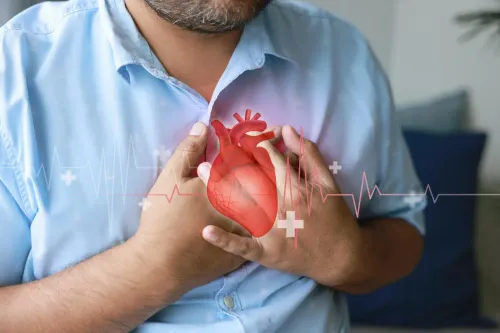
Call emergency services immediately when a persistent reading of 180/120 mmHg or higher occurs with chest pain, breathlessness, severe headache, fainting, confusion, vision loss, trouble speaking, or weakness or numbness on one side. Do not wait for a routine appointment.
If you are searching for high blood pressure for treatment in belapur, use these thresholds to choose urgency, then arrange proper confirmation rather than relying on a single machine reading.
How is hypertension confirmed after one high reading?
One high reading does not confirm chronic hypertension. A clinician repeats clinic measurements, checks readings outside the clinic, and compares the averages with diagnostic thresholds.
- Repeat clinic readings: After seated rest, take two readings at least one minute apart and repeat assessment at another appointment. A clinic reading of 140/90 mmHg or higher triggers confirmation rather than an immediate diagnosis.
- Home blood-pressure log: Record two readings, one minute apart, morning and evening for at least four days, ideally seven. Discard the first day and average the remaining readings; an average of 135/85 mmHg or higher supports hypertension.
- 24-hour ambulatory monitoring: An ABPM device records pressure during normal daytime activity and sleep. The average of waking readings at 135/85 mmHg or higher confirms hypertension under NICE guidance.
This process detects white-coat hypertension, where clinic readings rise, and masked hypertension, where clinic readings look normal but home or ambulatory readings stay high. Your clinician chooses ABPM first when available; home monitoring is used when ABPM is unsuitable.
If you are comparing high bp treatment belapur options, bring your device or written log to the appointment so the measurement method and pattern can be checked.
How can you measure blood pressure accurately at home?
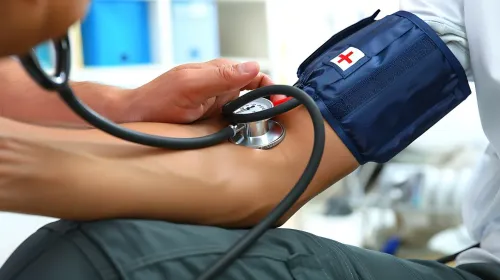
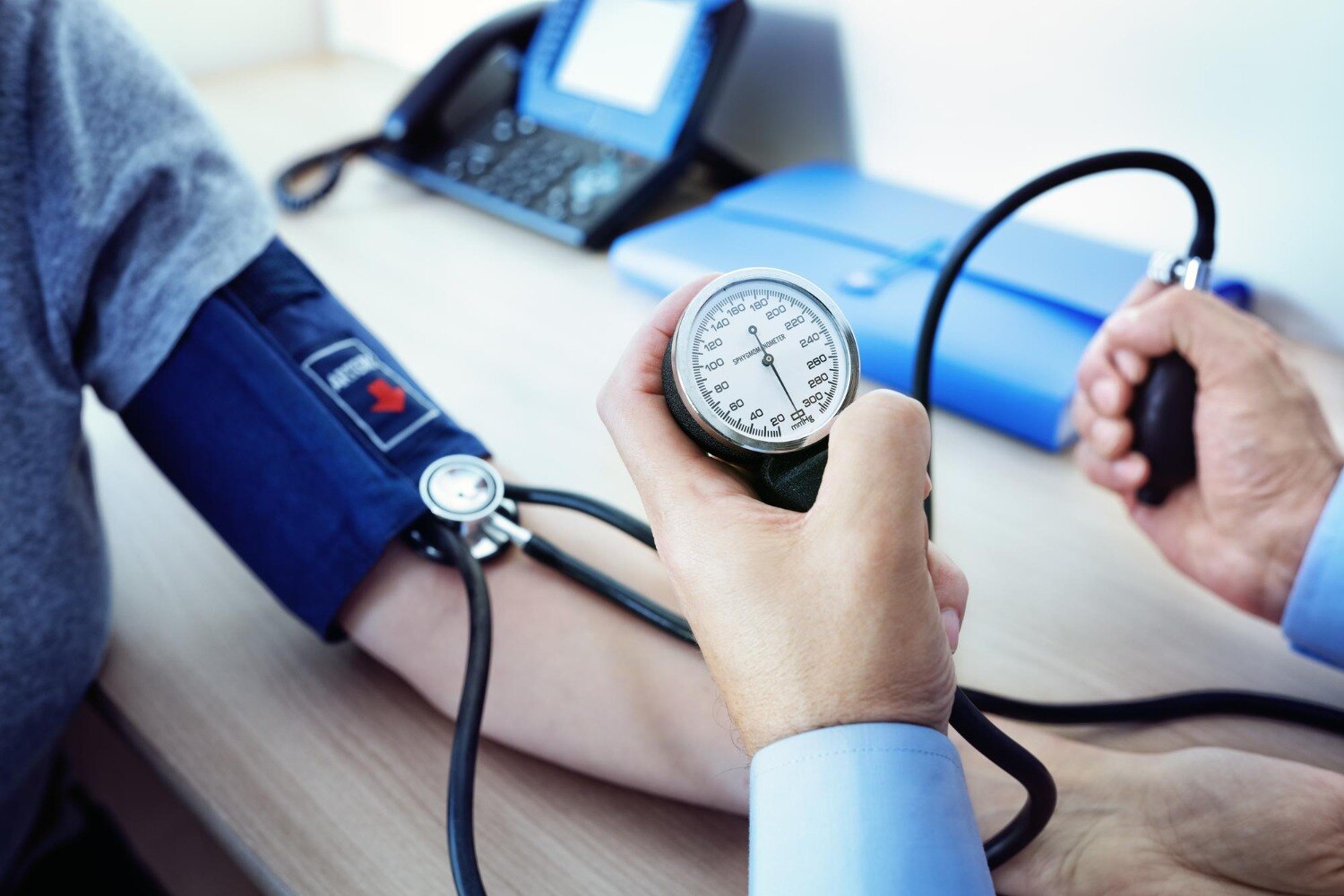
Use a validated automatic upper-arm monitor, not a wrist or finger device. Choose a cuff that fits your upper-arm circumference; a cuff that is too small can falsely raise the result. Check the monitor against a clinic device at an appointment if possible.
Before measuring, avoid smoking, caffeine and exercise for 30 minutes. Empty your bladder, then sit quietly for at least five minutes with your back supported, feet flat on the floor and legs uncrossed. Rest your bare arm on a table at heart level and do not talk.
- Measure at the same times each day, usually morning before medicines and breakfast, and evening.
- Take two readings one minute apart after each rest period.
- Record both readings, the date, time, pulse, and whether you had taken medication.
- Note symptoms, missed doses, illness, pain or unusual stress beside the result.
- Keep readings for at least four days, preferably seven, unless your clinician gives a different schedule.
Do not average a single high result or repeatedly retest without resting. Share the complete log, not just the lowest numbers, with a hypertension doctor in Belapur. Consistent technique gives the clinician a usable home average and helps distinguish persistent hypertension from an isolated rise.
What happens when a clinician starts blood-pressure medicine?
Tablets are prescribed after persistent hypertension is confirmed, or sooner when readings are high alongside diabetes, kidney disease, cardiovascular risk, or organ damage. Whether you searched high blood pressure for treatment in belapur or high bp treatment belapur, lifestyle measures support medicine; they do not replace it when treatment is indicated.
Common classes work in different ways:
- ACE inhibitors or ARBs relax blood vessels and protect the kidneys. ACE inhibitors can cause a persistent cough; either class can raise potassium or affect kidney function.
- Calcium-channel blockers relax artery walls. Ankle swelling, flushing, headache, or constipation can occur.
- Thiazide-like diuretics help the kidneys remove sodium and water. They can alter sodium, potassium, uric acid, and glucose levels.
- Beta blockers slow the heart and reduce its workload. They suit selected conditions, such as angina or some rhythm problems, rather than every case of hypertension.
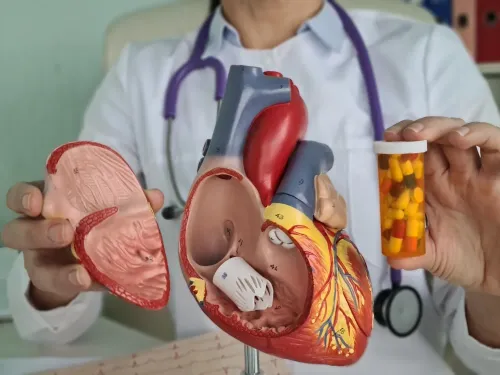
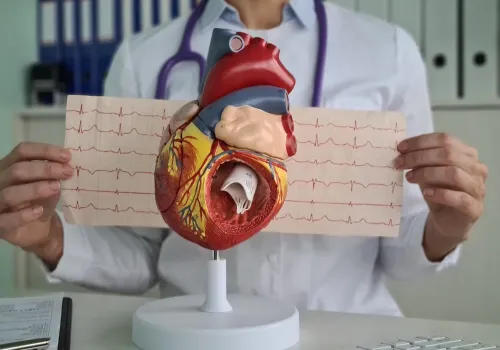
Before and during treatment, clinicians may check urine albumin-to-creatinine ratio, blood or urine evidence of haematuria, creatinine, estimated GFR, electrolytes, HbA1c, cholesterol, a 12-lead ECG, and the retina.
Take doses on schedule. Stopping suddenly can trigger rebound hypertension, fast heart rate, or chest symptoms, especially with beta blockers or clonidine. If you miss a dose, follow the prescription instructions or ask a pharmacist; never double the next dose or take extra tablets for a severe reading.
Why is the treatment target different from one person to another?
A clinic target is usually below 140/90 mmHg for adults under 80 and below 150/90 mmHg for adults aged 80 or more. Your clinician may choose a different goal when kidney disease, diabetes, previous heart attack or stroke, pregnancy, frailty, or treatment side effects change the balance between benefit and harm.
- Kidney disease or diabetes may require tighter control, but falling kidney function, abnormal potassium, or drug-related harm demands medication review.
- Pregnancy needs pregnancy-safe treatment and urgent assessment for severe readings, headache, visual symptoms, upper-abdominal pain, or swelling.
- Frailty, dizziness on standing, fainting, falls, or a large drop after standing can make an aggressive target unsafe.
- Chest pain, breathlessness, an abnormal ECG, or known cardiovascular disease increases the need for specialist assessment rather than relying on a number alone.
Poor tolerance does not mean accepting uncontrolled pressure: the clinician can adjust doses or combine different classes. Ask a hypertension doctor Belapur for investigation when pressure stays high despite three medicines, including a diuretic, or starts suddenly, becomes severe, or appears unusually young.
Low potassium, worsening kidney function, episodic sweating and palpitations, or loud snoring with daytime sleepiness can point to aldosteronism, kidney or renovascular disease, thyroid problems, medication effects, or sleep apnoea.
When should you seek a cardiologist for hypertension in Navi Mumbai?
Seek a cardiologist for hypertension in Navi Mumbai when blood pressure remains uncontrolled despite three appropriately chosen medicines, an ECG is abnormal, or symptoms suggest heart strain or another cause. Exertional chest discomfort, breathlessness, fainting, kidney abnormalities, or suspected secondary hypertension deserve specialist review.
| Situation | What to do | Why it matters |
|---|---|---|
| 180/120 mmHg or higher with chest pain, breathlessness, weakness, confusion, fainting, severe headache or vision loss | Repeat after one minute, then seek emergency care immediately if still high | These symptoms can signal acute heart, brain or vascular injury |
| Uncontrolled readings on four medicines, or persistent readings on three medicines including an ACE inhibitor or ARB, calcium-channel blocker and thiazide-like diuretic | Arrange prompt cardiology review | The clinician must check adherence, cuff technique, interfering drugs and secondary causes |
| Abnormal ECG, exertional symptoms, kidney disease or suspected heart damage | Book specialist assessment and cardiac testing | Treatment must address organ effects, not only the blood-pressure number |
Heart Fitt Cardiac Wellness Clinic in Belapur can provide specialist review, interpret ECG findings and help decide which cardiac tests are appropriate when routine monitoring no longer answers the problem. Do not delay emergency care for a clinic appointment.
Related service
High Blood Pressure (Hypertension) Treatment High Blood Pressure (Hypertension) Treatment Dr. Charan Reddy at Heart Fitt Cardiac Wellness Clinic, Belapur offers comprehensive and personalized treatment for high blood pressure... View service → |
Frequently asked questions
Which blood-pressure readings need routine, prompt or emergency care?
A reading of 140/90 mmHg needs follow-up rather than panic. Readings above 180/120 mmHg require repeat measurement after one minute; seek emergency care immediately if the level remains high with chest pain, breathlessness, weakness, confusion, vision changes or severe headache.
How is hypertension confirmed after one high reading?
A clinician confirms hypertension using repeat clinic measurements, home blood-pressure readings or ambulatory monitoring. Diagnosis depends on your average readings, not one isolated result.
How can you measure blood pressure accurately at home?
Use a validated upper-arm cuff that fits your arm. Avoid caffeine, exercise and smoking for 30 minutes, rest quietly for five minutes, keep your back supported and feet flat, place your arm at heart level, then take two readings one minute apart and record them.
What happens when a clinician starts blood-pressure medicine?
Your clinician selects a medicine based on your readings, age, kidney function, diabetes, heart disease and other medicines. Take it as prescribed, track readings and report side effects instead of stopping treatment without advice.
Why is the treatment target different from one person to another?
The target depends on cardiovascular risk, age, kidney disease, diabetes, previous stroke or heart disease, symptoms and how well you tolerate treatment. Your clinician sets and reviews the target using these factors.
Keywords